
|Halea Life Editorial Staff
Women's Nutrition & Gap Science
The Top Nutrient Gaps in Women Ages 20 to 50: How to Actually Fill Them
Six nutrients. Consistently short in women across every major national survey. Here is why each gap exists, what it costs when left unfilled, and which Halea Life formulas address each one directly.*
The NHANES data is clear. National surveys conducted across thousands of women between the ages of 20 and 50 consistently identify the same six nutrients as the most commonly deficient or insufficient: iron, vitamin D, folate, vitamin B12, magnesium, and protein. These are not obscure micronutrients. They are among the most widely consumed supplements in the country, yet deficiency rates remain high because most women are either not supplementing at all, supplementing inconsistently, or using forms of nutrients that their bodies do not absorb efficiently.
This post goes deeper than a simple list. For each nutrient, it covers why women in this age range are specifically at higher risk than men or older women, what biological systems suffer when the gap is left unfilled, which symptoms are most commonly linked to each deficiency, and which Halea Life product addresses it. No generic wellness claims: specific mechanisms, specific research citations, specific products.*
34% of US women 18 to 50 have absolute iron deficiency* JAMA Network Open, 2024
42% of US adults are vitamin D insufficient, higher in women with obesity* Forrest & Stuhldreher, Nutr Res 2011
52% of US women of reproductive age do not meet folate intake recommendations* CDC NHANES
48% of Americans consume less magnesium than the estimated average requirement* Rosanoff et al., Nutr Rev 2012
What are the most common nutrient deficiencies in women?
The most consistently documented nutrient deficiencies in women ages 20 to 50 are iron, vitamin D, folate (vitamin B9), vitamin B12, magnesium, and protein. Iron deficiency affects roughly one in three women of reproductive age due to monthly menstrual blood loss. Vitamin D insufficiency is widespread across all demographics. Folate is critical for DNA synthesis and is specifically recommended for all women who could become pregnant. B12 insufficiency disproportionately affects vegans, vegetarians, and women over 40. Magnesium is consumed below recommended levels by nearly half of the population. Protein intake is consistently below what is needed to preserve muscle mass as women age through their thirties and forties.*
What makes these gaps particularly relevant for women in the 20 to 50 age range is that this is the period of highest nutritional demand. It encompasses the years of active menstruation (and the iron loss that comes with it), the window of peak reproductive health and fertility (where folate and B12 matter most), the decades when bone density is built and then begins to decline, and the transition into perimenopause when hormonal shifts accelerate nutritional losses. These are not gaps that can wait.*1
01
Gap #1 of 6
Iron
Affects 1 in 3 women of reproductive age. The most widespread and most underdiagnosed nutritional deficiency in the world.*
Why Women Are at Higher Risk
Menstruation is the primary driver. Each cycle results in approximately 15 to 30mg of iron lost through blood, which must be replaced through diet and supplementation. Women with heavy periods lose substantially more. Pregnancy adds further demand: the developing fetus requires iron, blood volume expands by roughly 50%, and dietary recommendations jump to 27mg per day from the standard 18mg for non-pregnant women.*1
What Iron Deficiency Actually Does
Iron is the central atom in hemoglobin, the protein inside red blood cells that carries oxygen from the lungs to every cell in the body. When iron stores fall, red blood cells become smaller and paler, oxygen delivery drops, and tissues across the entire body work less efficiently. Fatigue, brain fog, cold extremities, hair shedding, and breathlessness during normal activity are the most commonly reported symptoms. Less obviously, iron is required for dopamine synthesis (explaining cognitive symptoms) and for the follicle cycling that governs hair growth.*2
Critically: iron deficiency and iron deficiency anemia are not the same condition. Serum ferritin can fall significantly while hemoglobin remains in normal range, producing real symptoms without triggering a clinical anemia diagnosis. A ferritin test is needed to catch this stage, and many women live with it for years.*
Common Signs
Persistent fatigue Hair shedding Brain fog Cold hands and feet Brittle nails Pale skin or inner eyelids Shortness of breath Ice cravings (pica)
The Halea Life Solution
Iron + Folate Strips deliver 19mg of iron as Ferric Saccharate (106% DV) alongside 400mcg of Folate in a fast-dissolving raspberry strip. Ferric Saccharate releases iron gradually using a protective sucrose complex, dramatically reducing the nausea, constipation, and cramping that cause most women to abandon ferrous sulfate before their stores are replenished. The strip format partially bypasses the stomach, further improving GI tolerance. Folate is included because it is required for red blood cell maturation: iron provides the raw material, folate enables the cell to develop properly.*2

Iron + Folate
Iron + Folate Strips
19mg Iron as Ferric Saccharate (106% DV) + 400mcg Folate. Raspberry. Gentle on the stomach. No water needed.*
02
Gap #2 of 6
Vitamin D3
42% of US adults are insufficient. The gap is wider in women with darker skin, limited sun exposure, or higher body fat.*
Why Women Are at Higher Risk
Vitamin D is synthesized in the skin from UVB exposure, but modern lifestyles (indoor work, sunscreen use, clothing coverage) significantly reduce this production. Women with higher body fat store more vitamin D in adipose tissue, reducing the amount that circulates in blood. As estrogen levels shift during the late thirties and forties, vitamin D's role in bone density maintenance becomes even more important, since estrogen and vitamin D work in parallel to support calcium absorption.*3
What Vitamin D Deficiency Actually Does
Vitamin D receptors are expressed in nearly every tissue type in the body. Its best-documented roles are in calcium absorption (without adequate vitamin D, the gut absorbs as little as 10 to 15% of dietary calcium versus 30 to 40% with sufficient levels) and bone density. Less discussed but equally documented: vitamin D deficiency is associated with increased susceptibility to infection, depressed mood and seasonal affective symptoms, irregular menstrual cycles, hair follicle cycling disruption (the VDR receptor in follicles governs anagen re-entry), and impaired muscle function.*3
Common Signs
Bone pain or fragility Hair thinning Frequent illness Low mood or seasonal depression Muscle weakness Fatigue
The Halea Life Solution
Hair, Skin & Nails Strips deliver 800IU of Vitamin D3 (cholecalciferol) alongside Biotin 5,000mcg and Folate 400mcg in an orange dissolving strip. For adults who find it difficult to maintain a consistent daily capsule habit, the strip format removes the friction. 800IU meets daily supplementation requirements for most adults and represents a meaningful contribution to Vitamin D status, particularly during the winter months or for women with limited sun exposure.*
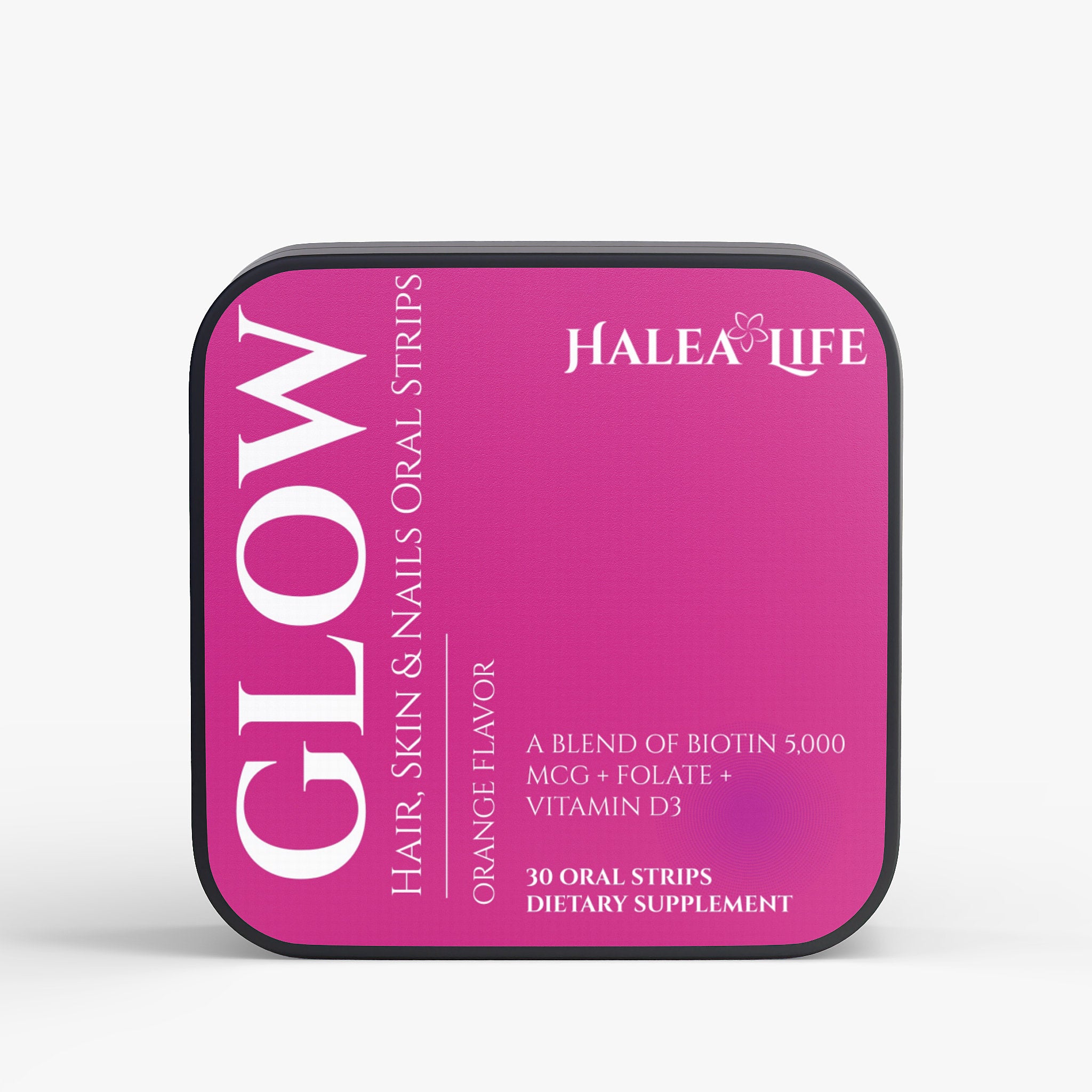
Vitamin D3 + Biotin + Folate
Hair, Skin & Nails Strips
Vitamin D3 800IU + Biotin 5,000mcg + Folate 400mcg DFE. Orange flavor strip. No water needed.*
03
Gap #3 of 6
Folate and Vitamin B12
Two B vitamins with overlapping functions and distinct deficiency risks. Often missing together, always consequential.*
Why Women Are at Higher Risk
Folate deficiency disproportionately affects women of reproductive age for two reasons. First, the CDC recommends 400mcg of folate daily for all women who could become pregnant, because neural tube closure (which depends on folate) occurs in the first 28 days of pregnancy, before most women know they are pregnant. Second, hormonal contraceptives deplete folate through increased urinary excretion and impaired absorption, making women on the pill a high-risk subgroup.*4
B12 deficiency risk increases with age (gastric acid production falls, impairing absorption from food), with dietary pattern (B12 is essentially absent from plant foods, making vegans and vegetarians the highest-risk group), and with certain medications including metformin and proton pump inhibitors. Women who have used oral contraceptives for extended periods also have lower B12 levels on average.*5
What Deficiency Actually Does
Both nutrients are required for DNA synthesis and red blood cell formation, but they serve distinct functions. Folate is the carbon carrier in the methylation cycle and is rate-limiting for rapidly dividing cells, including the hair follicle matrix cells that grow hair. Folate deficiency produces megaloblastic anemia: large, dysfunctional red blood cells that cannot carry oxygen effectively. B12 as methylcobalamin is required for myelin synthesis (the protective sheath around nerve fibers) and neurotransmitter production. B12 deficiency produces neurological symptoms including brain fog, memory difficulties, numbness and tingling, and fatigue that can predate anemia by months or years.*5
Common Signs
Fatigue and weakness Brain fog Numbness or tingling Hair thinning Mood changes Pale or yellowish skin Mouth sores
The Halea Life Solution
B12 Daily Focus Drops deliver Methylcobalamin B12 (the bioactive form, no conversion required) alongside Alpha GPC 300mg, Cordyceps 100mg, Lion's Mane 100mg, and L-Tyrosine 100mg in a liquid dropper. The methylcobalamin form bypasses the enzymatic conversion step that cyanocobalamin (the cheaper form used in most supplements) requires, making it more appropriate for women with MTHFR polymorphisms (which affect 40 to 60% of the population) and for vegans and vegetarians who need the most efficient form of each dose.*5
The Iron + Folate Strips and Hair, Skin & Nails Strips each also deliver 400mcg of Folate, providing multiple format options to reach the 400mcg daily target.*

B12 Methylcobalamin
B12 Daily Focus Drops
Methylcobalamin B12 + Alpha GPC 300mg + Lion's Mane + Cordyceps + L-Tyrosine. Liquid dropper. No caffeine.*
04
Gap #4 of 6
Magnesium, Calcium, and Zinc
Minerals that work together in bone, hormonal regulation, and energy metabolism. Rarely deficient in isolation.*
Why Women Are at Higher Risk
Magnesium deficiency affects nearly half of American adults because the modern food supply is low in magnesium-rich whole foods (leafy greens, nuts, legumes, seeds) and high in processed foods that do not contain them. Women experience additional magnesium losses through menstruation. What is less commonly known is that magnesium is required to activate Vitamin D into its bioactive form: without adequate magnesium, supplementing Vitamin D has a blunted effect on calcium absorption. The three minerals are interdependent.*6
What These Deficiencies Actually Do
Calcium is the primary mineral in bone, and its absorption is entirely dependent on adequate Vitamin D. Magnesium activates the enzymatic conversion of Vitamin D into calcitriol (its active form) and directly participates in hydroxyapatite crystal formation, the mineral structure of bone. Zinc supports osteoblast activity and collagen synthesis in bone. When any of these three fall short, bone remodeling is compromised. Magnesium also plays a critical role in over 300 enzymatic reactions including those governing blood pressure, blood sugar regulation, sleep quality, and stress response.*6
Common Signs
Muscle cramps or twitches Poor sleep quality Anxiety or irritability Headaches Bone pain or fragility Irregular heartbeat Constipation
The Halea Life Solution
Hair, Skin & Nails Essentials is the product in the Halea Life range that most directly addresses the mineral gap. It delivers Calcium, Vitamin D, Magnesium, and Zinc in a single capsule alongside Biotin 5,000mcg, Iron 14.5mg, Folate, and a full B-vitamin complex. The co-formulation of Magnesium and Vitamin D in the same capsule is formulation intelligence: magnesium activates Vitamin D, so including both in the same serving ensures they are available together for the absorption and bone formation processes they jointly govern.*

Calcium + Magnesium + D3 + Zinc
Hair, Skin & Nails Essentials
Calcium, Vitamin D, Magnesium, Zinc, Iron 14.5mg, Biotin 5,000mcg, and 14 total nutrients in one capsule.*
05
Gap #5 of 6
Protein and Collagen
Protein intake in women 20 to 50 is consistently below what is needed to maintain muscle mass as estrogen begins to decline in the late thirties and forties.*
Why Women Are at Higher Risk
The general population RDA for protein (0.8g per kg of body weight per day) was established to prevent deficiency in sedentary people, not to optimize muscle maintenance across decades of hormonal change. Research in women's nutrition and sports science consistently recommends 1.2 to 1.6g of protein per kg per day to preserve lean mass, particularly as estrogen declines in the late thirties, since estrogen plays a direct role in muscle protein synthesis. Most women consume well below this target.*7
Collagen represents a separate but related gap. Collagen is the most abundant protein in the body and the primary structural protein of skin, tendons, ligaments, cartilage, and bone. The body's collagen production begins declining in the mid-twenties at roughly 1% per year. By the forties, the cumulative decline is visible in skin elasticity, joint comfort, and the rate of recovery from exercise.*8
What Protein and Collagen Shortfall Actually Does
Insufficient protein during the thirties and forties accelerates the natural age-related loss of muscle mass, a process called sarcopenia. Muscle loss compounds bone density loss (muscles mechanically stimulate bone, and less muscle means less mechanical loading), reduces resting metabolic rate, and impairs recovery from physical activity. For women entering perimenopause, adequate protein intake is one of the highest-leverage nutritional decisions available.*7
Collagen shortfall shows up most visibly in skin, but the more functionally significant consequences are in joint tissue, bone matrix (bone is 30% protein, primarily type I collagen), and recovery time from training. Hydrolyzed collagen peptides specifically have been studied for their effects on bone collagen synthesis markers.*8
Common Signs
Muscle loss or weakness Slow recovery after exercise Skin sagging or loss of firmness Joint discomfort Hair thinning Brittle nails
The Halea Life Solution
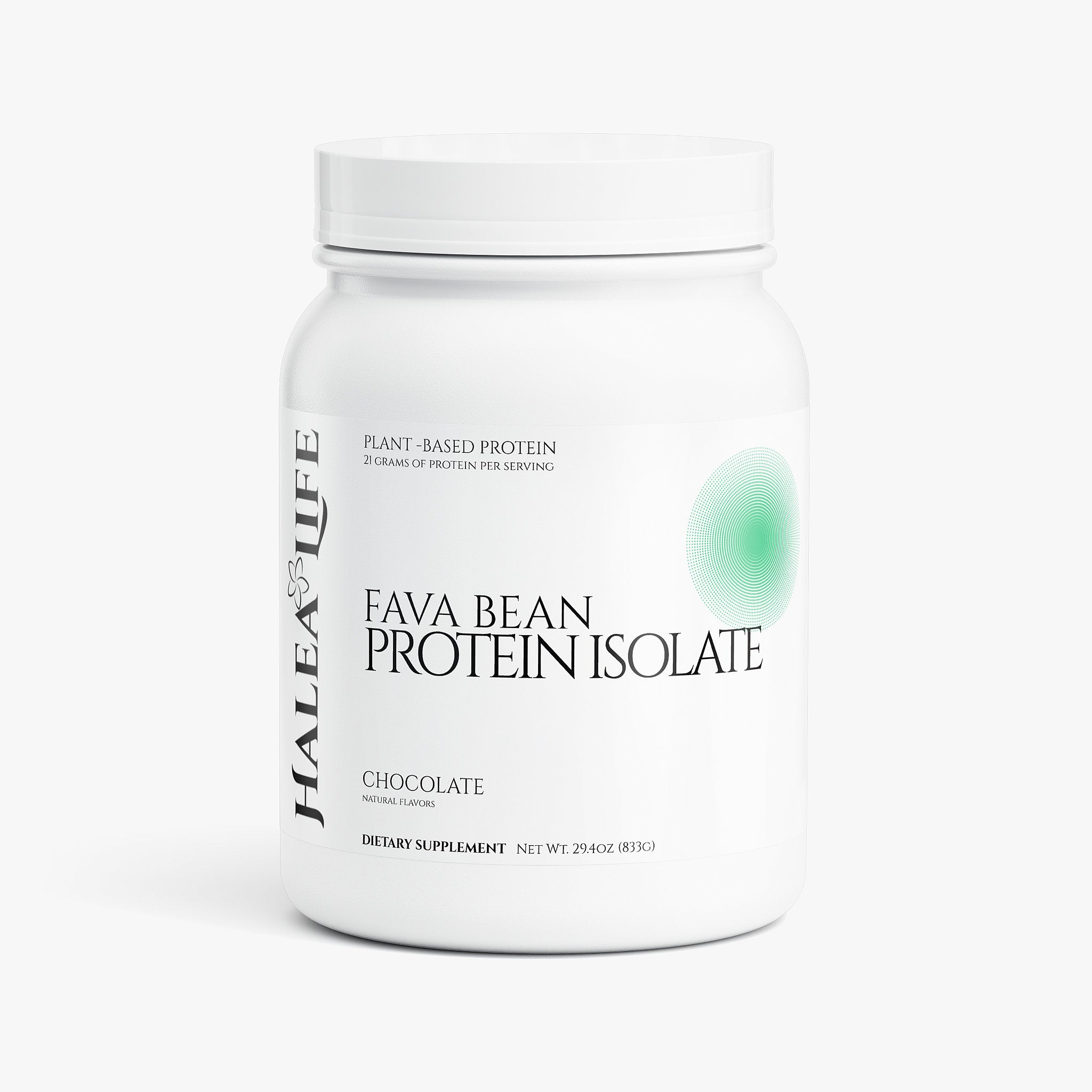
Plant-Based Protein Powder delivers 20g of complete plant protein per serving from Tendra Fava Bean Protein Isolate and Fermented Nutritional Yeast, covering all nine essential amino acids without soy, dairy, or artificial sweeteners. For women who prefer whey, the Performance Whey Protein Isolate delivers 22g per serving with the highest leucine density available, directly activating mTOR-mediated muscle protein synthesis. For collagen specifically, Beauty Strips deliver hydrolyzed bovine collagen peptides and Vitamin E in a fast-dissolving mango strip.*

Higher-Risk Subgroups
Which Women in This Age Range Have the Greatest Risk
Women with Heavy Periods
Iron, Folate. Monthly blood loss significantly above average accelerates depletion of both. Iron-deficiency symptoms may be persistent rather than cyclical in this group.*
Vegans and Vegetarians
B12, Iron, Protein, Collagen. B12 is absent from plant foods. Plant-based iron (non-heme) is less bioavailable. Protein targets require intentional planning. Collagen is animal-derived.*
Women on Hormonal Contraceptives
Folate, B12, Magnesium, Zinc. Long-term oral contraceptive use is consistently associated with depletion of all four of these nutrients through increased excretion and impaired absorption.*
Women Over 35 Approaching Perimenopause
Calcium, Vitamin D, Magnesium, Protein. Bone density peaks in the early thirties and begins to decline. Estrogen's protective effect on bone starts shifting. The mineral and protein foundation matters most now.*
Women Taking Metformin or PPIs
B12, Magnesium. Metformin reduces B12 absorption in the ileum. Proton pump inhibitors and H2 blockers reduce gastric acid needed to absorb both B12 and magnesium from food.*
Active Women and Athletes
Protein, Iron, Magnesium. Training increases demand for all three. Iron loss through sweat adds to menstrual loss. Protein needs are significantly higher than the general RDA. Magnesium is lost in sweat.*
Quick Reference
All Six Gaps at a Glance
| Nutrient | Why Women Are at Higher Risk | Key Symptoms When Low | Halea Life Product |
|---|---|---|---|
| Iron | Monthly menstrual blood loss, pregnancy demand | Fatigue, hair shedding, brain fog, cold extremities | Iron + Folate Strips |
| Vitamin D3 | Indoor lifestyle, sunscreen, higher body fat storage | Bone pain, hair thinning, low mood, frequent illness | Hair, Skin & Nails Strips |
| Folate | Hormonal contraceptive depletion, reproductive years demand | Fatigue, hair shedding, mouth sores, megaloblastic anemia | Iron + Folate Strips or HS&N Strips |
| Vitamin B12 | Plant-based diets, age-related absorption decline, medications | Brain fog, numbness, mood changes, fatigue | B12 Daily Focus Drops |
| Magnesium | Low-quality modern diet, menstrual losses, medication depletion | Muscle cramps, poor sleep, anxiety, headaches | Hair, Skin & Nails Essentials |
| Protein and Collagen | Underestimated daily targets, declining estrogen from mid-30s | Muscle loss, slow recovery, skin sagging, joint discomfort | Plant Protein / Collagen Strips |
A Practical Daily Foundation
How to Stack These Products Without Overlap
Morning, With Breakfast
Hair, Skin & Nails Essentials
Calcium, Vitamin D, Magnesium, Zinc, Iron, and Biotin. Fat-soluble nutrients absorb best with food. One capsule covers the mineral foundation.*
Morning, Any Time
HS&N Strips or Iron + Folate Strips
Additional D3 + Folate (HS&N Strip) or targeted iron + folate replenishment (Iron Strips). Choose based on your primary gap. Both dissolve in under a minute.*
Morning, Any Time
B12 Daily Focus Drops
Methylcobalamin B12 in a dropper. No caffeine, no stimulants. Add to water or take directly. Particularly important for vegans, vegetarians, women over 35, or those on metformin or PPIs.*
Once Daily or Post-Workout
Plant Protein or Whey + Collagen Strip
One shake or 20g protein serving toward your daily target of 1.2 to 1.6g per kg of body weight. One Collagen Strip daily for joint, bone matrix, and skin protein support.*
Scientific References
Sources Cited in This Article
1. Sapey T, et al. Absolute and functional iron deficiency in the US, 2017 to 2020. JAMA Network Open. 2024;7(9):e2435342.
2. Camaschella C. Iron-deficiency anemia. New England Journal of Medicine. 2015;372(19):1832–1843.
3. Forrest KY, Stuhldreher WL. Prevalence and correlates of vitamin D deficiency in US adults. Nutrition Research. 2011;31(1):48–54.
4. CDC. Folic acid recommendations. Centers for Disease Control and Prevention. cdc.gov/ncbddd/folicacid/recommendations.html
5. Stabler SP. Clinical practice: vitamin B12 deficiency. New England Journal of Medicine. 2013;368(2):149–160.
6. Rosanoff A, Weaver CM, Rude RK. Suboptimal magnesium status in the United States: are the health consequences underestimated? Nutrition Reviews. 2012;70(3):153–164.
7. Deutz NEP, et al. Protein intake and exercise for optimal muscle function with aging: recommendations from the ESPEN Expert Group. Clinical Nutrition. 2014;33(6):929–936.
8. Dar QA, et al. Daily oral intake of hydrolyzed type 1 collagen is chondroprotective and anti-inflammatory in murine posttraumatic osteoarthritis. PLOS ONE. 2017;12(4):e0174705.
People Also Ask
Common Questions About Nutrient Gaps in Women
What are the most important vitamins for women in their 30s?
The thirties are when the foundation for the next 20 years of hormonal and bone health is established. The most important nutrients at this stage are iron (if menstruating), folate (particularly for women who may become pregnant), Vitamin D3 (for bone density and immune function), B12 (especially for vegans or those on hormonal contraceptives), and protein at a target of 1.2 to 1.6g per kg of body weight daily. This is also when collagen production begins its 1% per year decline, making consistent collagen peptide intake increasingly relevant.*
What vitamins are women most likely to be deficient in?
National survey data consistently identifies iron, Vitamin D, folate, Vitamin B12, and magnesium as the most commonly deficient or insufficient nutrients in women. Iron affects roughly one in three women of reproductive age. Vitamin D insufficiency affects an estimated 42% of US adults. Over half of women of reproductive age do not meet folate intake recommendations. B12 deficiency is most prevalent in vegans, vegetarians, and women over 40. Magnesium falls below recommended levels in nearly half of all adults. Protein intake is below optimal levels for muscle preservation in the majority of women over 35.*
How do I know if I'm iron deficient without being anemic?
Ask your doctor for a serum ferritin test, not just a standard CBC. Ferritin measures iron stores, and it can fall significantly while hemoglobin remains in the normal range, a stage called latent or pre-latent iron deficiency. You can experience full symptoms of iron deficiency (fatigue, brain fog, hair shedding, cold extremities) while a standard blood panel shows normal results. Ferritin below 30 to 50 ng/mL is associated with symptoms in many people even when hemoglobin is technically normal.*
Do women need more protein as they age?
Yes. The general population RDA for protein (0.8g/kg) was designed to prevent deficiency in sedentary adults, not to optimize muscle mass preservation across decades of hormonal change. Research consistently recommends 1.2 to 1.6g of protein per kg of body weight daily for women who want to maintain muscle mass, particularly as estrogen declines from the mid-thirties onward. Estrogen has a direct anabolic effect on muscle protein synthesis, and as it declines, adequate dietary protein becomes an increasingly important compensating factor.*
Can hormonal birth control affect vitamin and mineral levels?
Yes, and this is more documented than most women are aware. Long-term oral contraceptive use is consistently associated with reduced levels of folate, B12, magnesium, zinc, selenium, and vitamins B2 and B6 through a combination of mechanisms including increased urinary excretion, altered gut absorption, and increased hepatic metabolism. Women who have used hormonal contraceptives for several years have statistically lower levels of multiple B vitamins and several minerals compared to non-users. This is a clinical reason to be particularly attentive to these specific nutrient gaps while on the pill.*
The Bottom Line
Six Gaps. Consistent Data. Straightforward Solutions.
The research on nutrient gaps in women ages 20 to 50 is consistent across decades of national surveys. The same six nutrients show up in every analysis: iron, Vitamin D, folate, B12, magnesium, and protein. These are not marginal micronutrients or obscure supplements. They are foundational to energy, bone density, reproductive health, cognitive function, and muscle maintenance during the most nutritionally demanding decades of a woman's life.
The solutions are not complex, but they do require choosing the right form (methylcobalamin over cyanocobalamin, Ferric Saccharate over ferrous sulfate), the right dose (1.2 to 1.6g protein per kg, 400mcg folate, 19mg iron), and a format consistent enough to actually take daily. Every product in the Halea Life range listed above discloses its active ingredients and doses on the label. No proprietary blends. No guessing.*
No subscriptions. No promo codes. The price you see is the price, year-round.
Shop the Women's Nutrient Foundation
Iron + Folate Strips · Hair, Skin & Nails Strips · B12 Focus Drops · Essentials Capsules · Plant Protein · Collagen Strips. Each sold separately, all transparently dosed.*
* These statements have not been evaluated by the Food and Drug Administration. These products are not intended to diagnose, treat, cure, or prevent any disease. WARNING: Accidental overdose of iron-containing products is a leading cause of fatal poisoning in children under 6. Keep all iron supplements out of reach of children. In case of accidental overdose, call a doctor or poison control center (1-800-222-1222) immediately. This content is for educational purposes and does not constitute medical advice. If you suspect a nutritional deficiency, consult your healthcare provider for appropriate blood testing before beginning supplementation. Do not combine iron-containing supplements without medical guidance. Hair, Skin and Nails Essentials contains soy-derived plant sterols. B12 Daily Focus Drops are not intended to treat vitamin B12 deficiency anemia. Consult a healthcare provider before use if pregnant, nursing, or taking prescription medications.