
Halea Life • Blood Flow & Circulation
Circulation Is the Delivery System for Everything Else
Oxygen, nutrients, hormones, and cellular signals all travel through the bloodstream. This collection supports healthy blood flow across three distinct mechanisms -- nitric oxide production, electrolyte balance, and vascular antioxidant protection.*


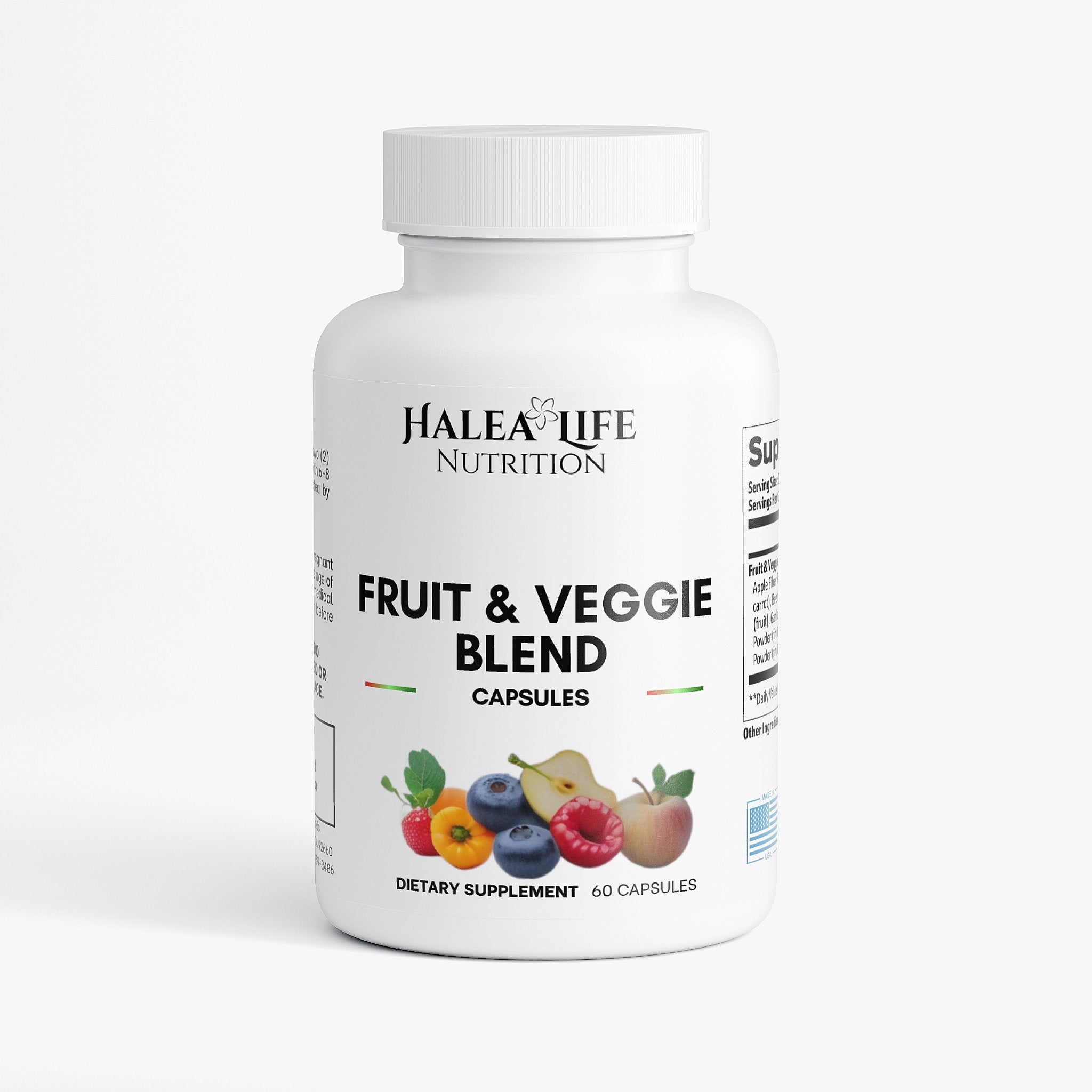
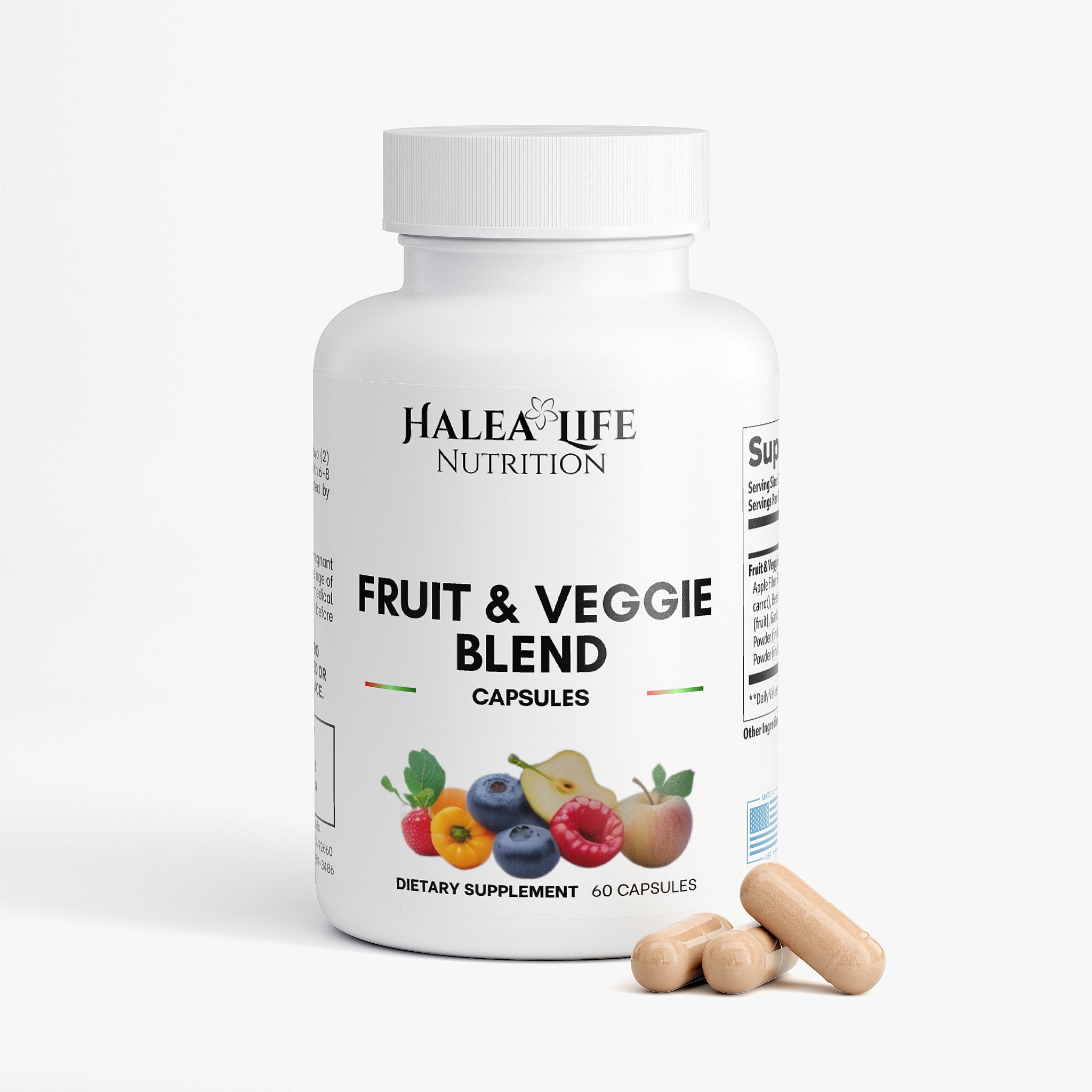

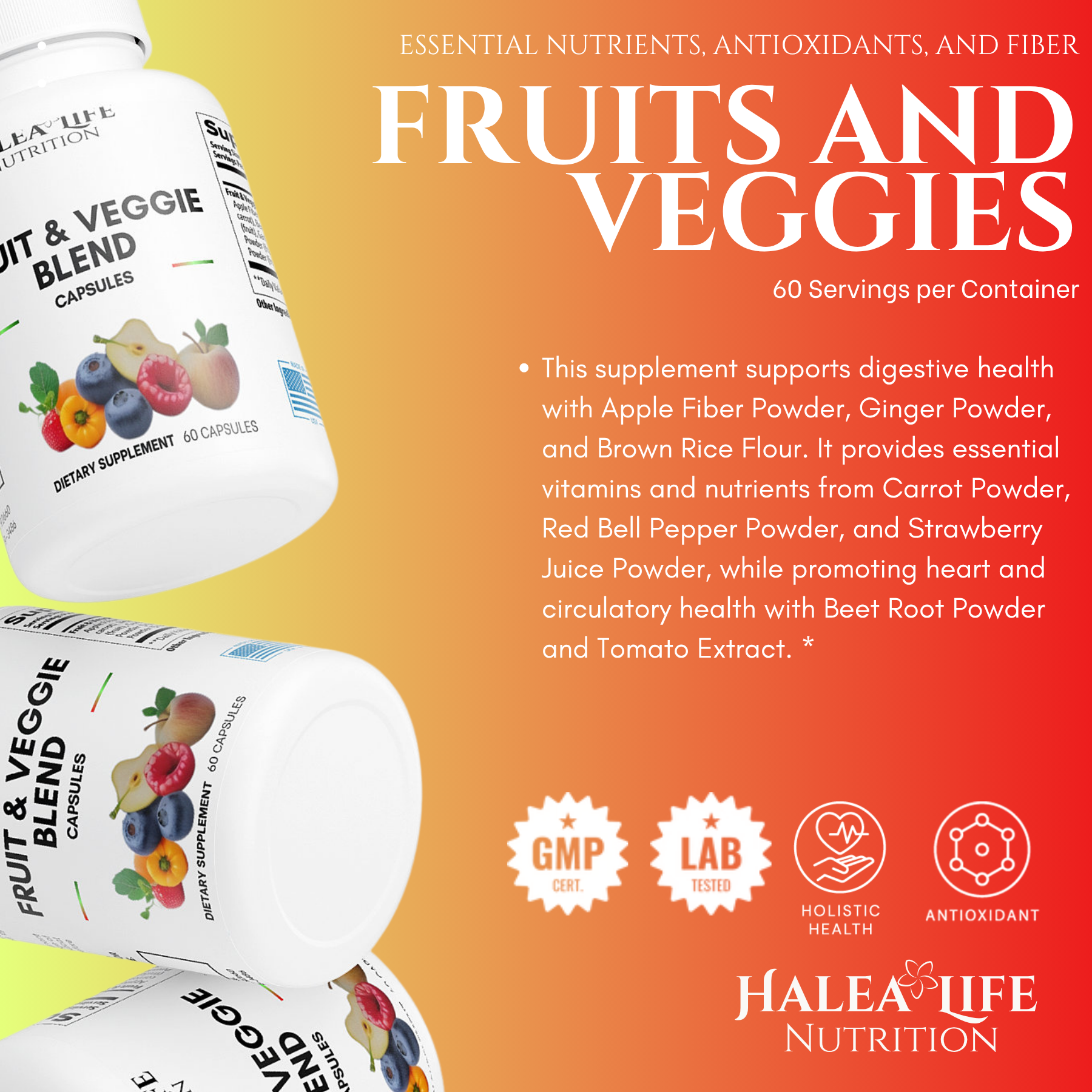


Three Mechanisms. One Collection.
How This Collection Supports Healthy Circulation
Healthy circulation depends on more than a single pathway. Nitric oxide is the primary signaling molecule that causes blood vessels to relax and dilate, and it is produced through two independent routes: the enzymatic pathway driven by L-Citrulline and L-Arginine, and the dietary nitrate pathway supplied by beetroot. Both contribute independently and additively. Electrolyte balance is the second factor -- sodium, potassium, and magnesium govern fluid distribution across cell membranes and vascular smooth muscle tone. The third mechanism is oxidative protection: endothelial cells lining blood vessels are continuously exposed to oxidative stress, and compounds like NAD+, trans-resveratrol, and Moringa support the cellular machinery that manages this stress. This collection addresses all three layers, with every active dose disclosed on the label and bioavailability-optimized ingredient forms chosen where the standard form falls short.*
"
Every supplement you take depends on your circulation to deliver it. Supporting healthy blood flow is not just one goal among many -- it is the foundation that makes all the others more effective.
Halea Life -- Made for Every Stage of You
The Science Behind the Collection
Four Mechanisms That Drive Healthy Blood Flow
Nitric Oxide Support
Two Routes to Vascular Relaxation
L-Citrulline converts to L-Arginine in the kidneys, providing more sustained nitric oxide precursor availability than oral L-Arginine alone achieves. Beetroot adds a second, independent nitrate pathway. Used together, these products address vessel relaxation through both mechanisms simultaneously.*
Electrolyte Balance
Sodium, Potassium & Magnesium
Electrolytes govern fluid movement in and out of cells and regulate vascular smooth muscle tone. HYDRATE Electrolyte + B-Complex provides sodium, potassium, and magnesium at meaningful amounts. Magnesium Glycinate -- the most bioavailable magnesium form -- addresses the foundational deficiency that affects the majority of adults.*
Vascular Antioxidant Support
NAD+, Resveratrol & Moringa
Endothelial cells face continuous oxidative pressure. NAD+ Cellular Vitality supports mitochondrial function and cellular energy pathways. Trans-resveratrol pairs with quercetin for vascular protective support. Pure Moringa delivers a broad polyphenol profile from a whole-food botanical source.*
Oxygen Transport
Iron, Folate & Red Blood Cell Support
Blood flow is only effective if red blood cells are carrying adequate oxygen. Iron + Folate Strips use ferric saccharate -- gentler on digestion than standard ferrous sulfate -- alongside folate for red blood cell production support. Iron deficiency is the most common nutritional deficiency worldwide.*
Find Your Fit
Who This Collection Is For
1
Active Adults Seeking Performance Circulation Support
L-Citrulline, L-Arginine, and beetroot formulas are well-studied for pre-workout nitric oxide support. If you train regularly and want to support vascular dilation and oxygen delivery, these are the products in this collection built for that purpose. Take 30 to 60 minutes before activity.*
2
Women Managing Iron-Related Energy and Fatigue
Iron deficiency is the most common nutritional deficiency globally and disproportionately affects women of reproductive age. Iron + Folate Strips provide iron as ferric saccharate -- a gentler form -- alongside folate for red blood cell production support.*
3
Adults Supporting Long-Term Cardiovascular Wellness
NAD+ Cellular Vitality and Resveratrol work on the cellular and mitochondrial level over time. If you are building a long-term cardiovascular wellness foundation alongside diet and exercise, these two formulas address the oxidative and cellular energy dimensions that diet alone often cannot cover.*
4
People Prioritizing Daily Hydration and Electrolyte Balance
Dehydration and electrolyte imbalance affect blood volume, viscosity, and peripheral circulation. HYDRATE Electrolyte + B-Complex is a caffeine-free daily formula designed to support consistent cellular hydration with sodium, potassium, magnesium, and B-vitamins for cellular fluid transport.*
Common Questions
Frequently Asked Questions
L-Arginine is the direct substrate for nitric oxide synthase, the enzyme that produces nitric oxide in the vascular endothelium. However, oral L-Arginine is substantially broken down in the gut and liver before reaching the bloodstream. L-Citrulline bypasses this degradation -- it converts to L-Arginine in the kidneys, resulting in higher and more sustained plasma arginine levels than taking L-Arginine directly. Research generally shows that L-Citrulline supplementation produces greater increases in circulating arginine than equivalent doses of L-Arginine itself. Using both together addresses both the substrate availability and the conversion efficiency simultaneously.*
Beetroot works through a separate nitrate-nitrite-nitric oxide pathway that does not involve nitric oxide synthase. Dietary nitrates from beetroot are converted to nitrite by oral bacteria and then reduced to nitric oxide in the bloodstream, particularly in low-oxygen environments like exercising muscle tissue. This pathway is independent of -- and additive to -- the L-Citrulline and L-Arginine route. Because the mechanisms are distinct, combining beetroot-derived nitrates with L-Citrulline and L-Arginine provides broader nitric oxide support than relying on either source alone.*
Magnesium is a cofactor in over 300 enzymatic reactions and plays a direct role in vascular smooth muscle relaxation, which affects blood vessel tone and blood pressure. It is also required for proper sodium-potassium pump function across cell membranes -- the mechanism that governs fluid balance and electrolyte distribution. Magnesium deficiency is associated in population studies with increased cardiovascular risk. Magnesium Glycinate is used here because the glycinate chelate is substantially better absorbed than magnesium oxide, the form found in most low-cost supplements.*
Yes. Products containing L-Arginine or L-Citrulline can have additive blood pressure-lowering effects when combined with antihypertensive medications and should not be used alongside PDE5 inhibitors such as sildenafil or tadalafil. Resveratrol has anticoagulant properties and may interact with warfarin and CYP enzyme-metabolized medications. Iron supplements should be taken at least two hours apart from thyroid medications, antibiotics, and antacids. Keep all iron-containing products out of reach of children. Consult your physician before use if you manage a cardiovascular condition or take prescription medications.*
Timing depends on the product and your goal. Beetroot and L-Citrulline with L-Arginine have acute effects on nitric oxide availability within 60 to 90 minutes and are commonly taken 30 to 60 minutes before physical activity. Electrolyte formulas are flexible -- useful before, during, or after exercise, or any time hydration support is needed. Foundational nutrients like Magnesium Glycinate and NAD+ with resveratrol are taken for cumulative effect and timing matters less than consistency. Iron + Folate Strips are best taken on an empty stomach or with a small amount of food to support absorption.*