
Halea Life -- Superfoods & Nutrient Density
Modern Diets Leave Gaps. These Formulas Fill Them.
Greens powders, medicinal mushrooms, spirulina, chlorella, sea vegetables, and whole-food concentrates -- dense, bioavailable nutrition for what a typical meal can't cover.*


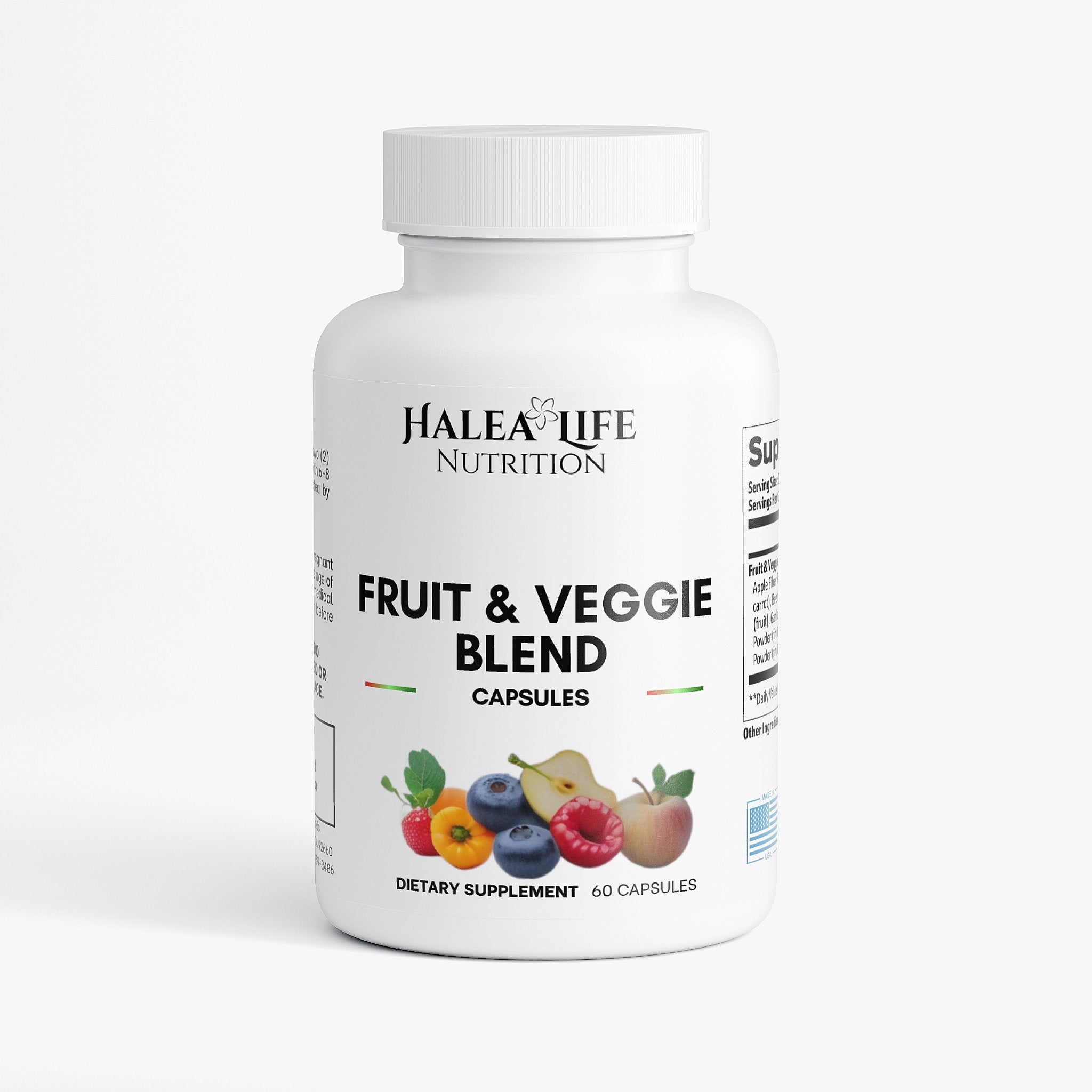
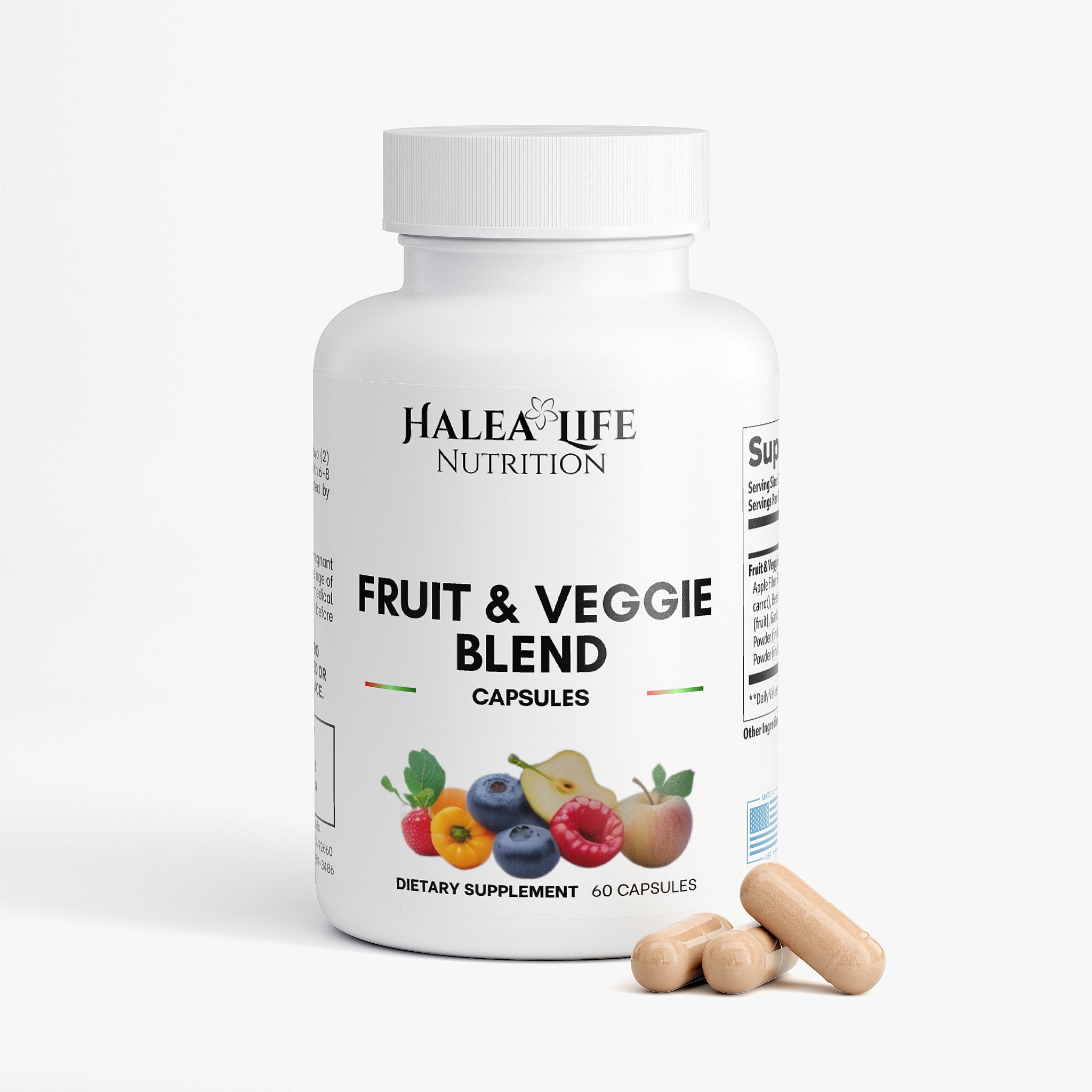

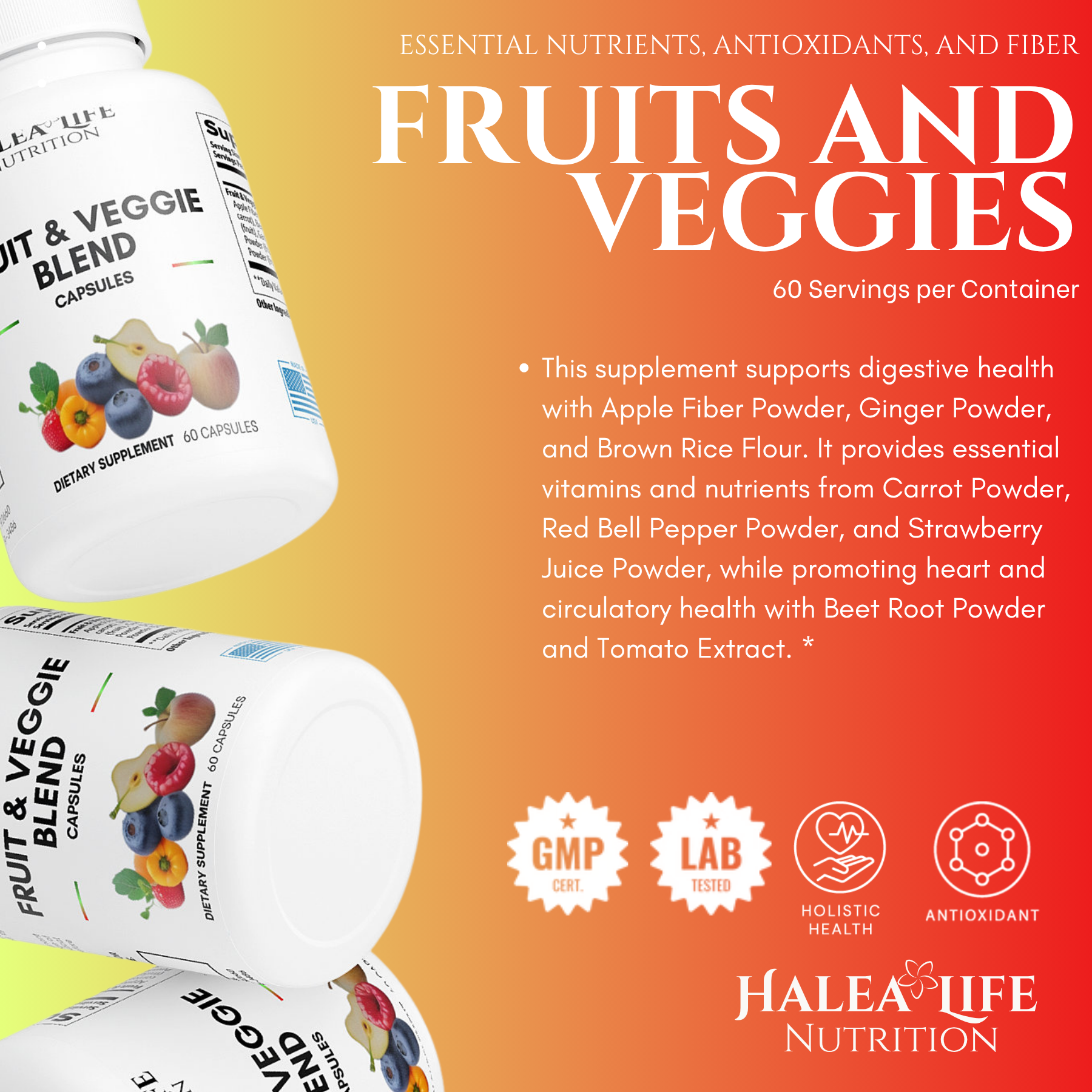


The Halea Life Difference
What "Superfood" Actually Means -- and What Makes a Supplement Worth Taking
"Superfood" is a marketing category, not a scientific designation. But the underlying concept -- foods with exceptionally high concentrations of micronutrients, phytonutrients, antioxidants, or bioactive compounds relative to their caloric density -- is grounded in real nutritional science. The challenge with superfood supplements is quality: a greens powder with 1 mg of spirulina alongside fifty other ingredients delivers none of the documented benefits of spirulina at 3--8 g/day. The formulas in this collection are built around meaningful amounts of high-integrity ingredients. Spirulina at therapeutic doses provides phycocyanin (a potent antioxidant and anti-inflammatory pigment), gamma-linolenic acid (an omega-6 with anti-inflammatory properties), and a complete amino acid profile -- plus iron and B12 in bioavailable forms relevant for plant-based diets. Chlorella with cracked cell wall (required for nutrient availability) provides chlorophyll for heavy metal binding support, B12, iron, and zinc. Medicinal mushrooms -- Reishi, Lion's Mane, Chaga, Turkey Tail -- contain beta-glucans and other polysaccharides that support immune modulation, NK cell activity, and cognitive function; they must be extracted from fruiting bodies (not mycelium-on-grain) with verified beta-glucan content. Greens blends provide concentrated phytonutrients, chlorophyll, and antioxidants from vegetables, grasses, and algae for those not consistently hitting 7--9 servings of vegetables daily. Every Halea Life superfood supplement is manufactured in an FDA-registered, GMP-certified facility with third-party ingredient identity and potency verification.*
"
A greens powder with 50 ingredients at label-decoration doses is a marketing product. A formula with 5 ingredients at meaningful doses is a nutrition product.
Halea Life -- Made for Every Stage of You
Key Superfood Categories
Four Nutrient-Dense Categories in This Collection
Algae & Sea Vegetables
Spirulina, Chlorella & Kelp -- Ocean-Derived Nutrient Density
Spirulina at 3--8 g/day provides phycocyanin, complete protein, gamma-linolenic acid, iron, and bioavailable B12 -- a particularly valuable nutritional intervention for plant-based diets. Chlorella (cracked cell wall required for bioavailability) adds chlorophyll, additional B12, zinc, and magnesium, with heavy metal binding properties through its cell wall polysaccharides. Kelp provides iodine for thyroid function -- the only food-based source consistently providing therapeutic iodine levels in typical Western diets.*
Medicinal Mushrooms
Reishi, Lion's Mane, Chaga & Turkey Tail -- Beta-Glucan Bioactives
Medicinal mushroom extracts contain beta-glucans (1,3 and 1,6 linkages) that bind to dectin-1 and TLR2 receptors on macrophages and NK cells, upregulating innate immune response. Reishi triterpenes modulate cortisol and support adaptogenic stress response. Lion's Mane hericenones stimulate NGF for cognitive support. Chaga's high ORAC value provides antioxidant protection. These compounds only exist in meaningful concentrations in fruiting body extracts -- not mycelium grown on grain.*
Greens Concentrates
Concentrated Phytonutrients for Consistent Daily Coverage
A high-quality greens powder bridges the gap for days or diets where vegetable intake is insufficient. The relevant question is whether the formulation contains meaningful amounts of chlorophyll-rich, antioxidant-dense vegetables (spinach, kale, broccoli, spirulina) and not primarily low-value grass powders in excess. At Halea Life, greens blends are formulated for genuine nutritional density, not visual appeal -- and the ingredient amounts are disclosed, not hidden in proprietary blends.*
Adaptogenic Herbs
Maca, Moringa, Ashwagandha & Adaptogen Blends
Adaptogens are plant compounds that support the body's stress response by modulating HPA axis activity -- reducing the excessive cortisol output of chronic stress while supporting the adrenal capacity to respond to acute demands. Maca provides glucosinolates and unique macamides for hormonal and energy support. Moringa is one of the most nutrient-dense land plants, providing iron, calcium, Vitamin C, and essential amino acids in meaningful concentrations. At clinical doses, these function as genuine nutritional and adaptogenic support.*
Find Your Fit
Who Should Use Superfood Supplements
1
Plant-Based and Vegan Dieters
Spirulina, Chlorella, and algae-based supplements address the most common nutritional gaps in plant-based diets: B12, iron, zinc, omega-3 EPA/DHA (from algae), and complete amino acid profiles. These are not redundant with standard multivitamins -- they provide food-matrix bioactive compounds that isolated supplements don't replicate. Spirulina at 5--8 g/day is a genuinely complete protein source alongside phytonutrient density.*
2
Those Who Eat Inconsistently or Travel Frequently
Travel, irregular schedules, and inconsistent access to fresh produce make greens powders and superfood concentrates practically valuable -- not as a permanent replacement for vegetables, but as a reliable daily nutritional baseline when food quality is variable. A greens powder mixed into water provides a minimum micronutrient and phytonutrient coverage layer on the days when a good meal isn't possible.*
3
Those Seeking Immune and Cognitive Support Beyond Standard Vitamins
Medicinal mushroom extracts provide immune and cognitive support through mechanisms that standard multivitamins don't address -- specifically beta-glucan receptor-mediated NK cell activation (Reishi, Turkey Tail) and NGF stimulation (Lion's Mane). For those looking to build immune resilience or cognitive support on top of a foundational supplement routine, mushroom extracts are a high-evidence addition with excellent safety profiles.*
4
Those With High Micronutrient Needs
Athletes, pregnant women (with physician guidance), older adults, and those managing chronic conditions often have elevated micronutrient needs that a standard diet may not meet. Superfood supplements -- particularly spirulina, chlorella, moringa, and greens blends -- provide a concentrated, food-matrix source of micronutrients that absorb differently from isolated synthetic supplements, with the additional phytonutrient compounds that may enhance bioavailability and utilization.*
Common Questions
Frequently Asked Questions
Greens powders are a supplement to, not a replacement for, whole vegetables. Whole vegetables provide fiber, water content, and phytonutrient combinations in a food matrix that powders can't fully replicate. That said, on days when whole vegetable intake is inadequate, a quality greens powder provides a meaningful micronutrient and antioxidant coverage layer. Think of it as a floor -- it ensures a baseline on the worst days -- not a ceiling that removes the need for dietary vegetables.*
Chlorella's nutrients are enclosed within a tough cellulose cell wall that the human digestive system cannot break down. Without mechanical cracking (via spray-drying, high-pressure processing, or pulverization), most of the nutrients and chlorophyll pass through unabsorbed. Cracked cell wall chlorella has documented higher bioavailability of chlorophyll, B12, and minerals. When purchasing chlorella, always confirm "cracked cell wall" on the label -- it's the difference between a functional supplement and an expensive fiber.*
Medicinal mushrooms stimulate immune function through beta-glucan receptor activation. For most healthy adults, this is a benefit. For individuals on immunosuppressant medications (organ transplant recipients, autoimmune disease patients on biologics) or those with specific hematological conditions, immune stimulation may be contraindicated. If you are immunocompromised or on immunosuppressant therapy, consult your physician before using medicinal mushroom products.*
Spirulina is approximately 60--70% protein by dry weight and contains all essential amino acids, making it a complete protein source. However, the volumes needed to replace animal protein as a primary dietary protein source (30+ g of spirulina powder per day) are impractical. More realistically, spirulina supplements at 5--8 g/day provide a meaningful protein contribution and dense micronutrient profile as part of a plant-based diet -- most valuable for B12, iron, and phycocyanin, rather than as a primary protein source.*
Spirulina and chlorella have a strong, distinctly earthy or oceanic flavor in high doses. Most people blend them into smoothies with fruit to mask the taste -- mixing with just water is challenging at 5+ g doses. Greens powders vary significantly: some use natural flavors and stevia to produce an acceptable mixed-with-water flavor; others taste exactly like concentrated grass. Halea Life greens blends are formulated with natural flavoring to be palatable without artificial sweeteners or dyes.*
Spirulina and chlorella have been used during pregnancy for iron and micronutrient support in some populations, but the evidence base is limited and heavy metal contamination risk in lower-quality products is a concern. Medicinal mushrooms and adaptogenic herbs are generally not recommended during pregnancy due to their immunomodulatory and hormonal effects. Consult your OB/GYN before adding any superfood supplement during pregnancy -- prenatal vitamins designed for pregnancy are the validated primary supplement category.*