

Halea Life -- Antioxidant Supplements
Oxidative Stress Is Real. So Are the Compounds That Counter It.
Glutathione, NAC, Vitamin C, Astaxanthin, CoQ10 Ubiquinol, Resveratrol, and quercetin -- the most evidence-supported antioxidant compounds at doses that actually shift your body's redox balance.*

-
Greens & Reds Superfood Powder – Vegan Daily Nutrition  Best Seller
Greens & Reds Superfood Powder – Vegan Daily Nutrition
-
Daily Reds Superfood Powder -
Ayurvedic Adaptogen Complex – Ashwagandha, Shilajit & Triphala  Best Seller
Ayurvedic Adaptogen Complex – Ashwagandha, Shilajit & Triphala
-
Ginseng & Ginkgo Biloba Capsules | Focus & Energy Support 
Ginseng & Ginkgo Biloba Capsules | Focus & Energy Support
-
Resveratrol 600mg | Cellular Health & Longevity Support 
Resveratrol 600mg | Cellular Health & Longevity Support
-
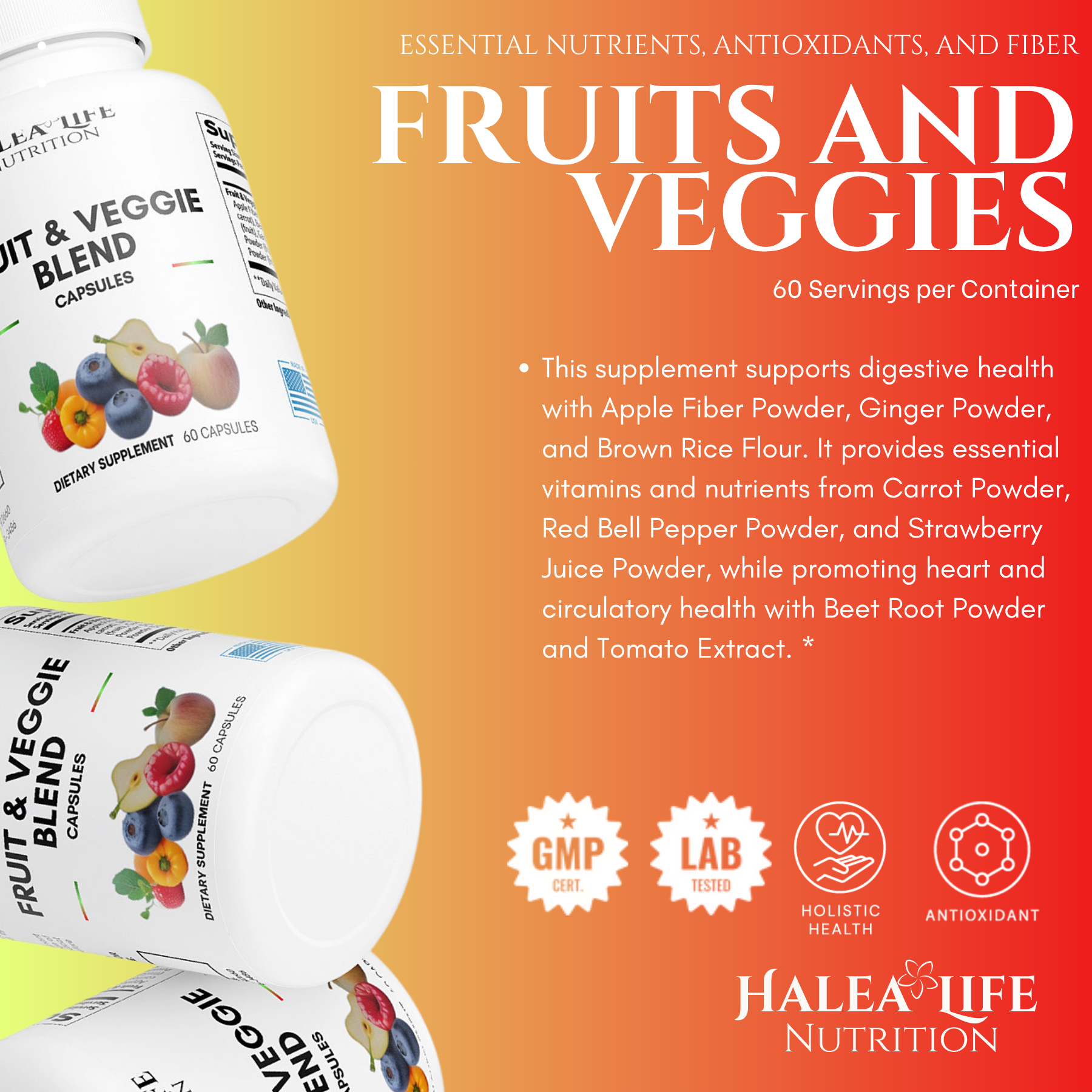
Fruit & Veggie Blend Capsules -
Core Wellness Greens Superfood Powder -
Organic Chaga Mushroom Capsules 1000mg -
Liver Support Capsules – Turmeric, Milk Thistle, Artichoke Extract 5% Cynarin, Dandelion, Beet Root, L-Cysteine, 30 Servings 
Liver Support Capsules – Turmeric, Milk Thistle, Artichoke Extract 5% Cynarin, Dandelion, Beet Root, L-Cysteine, 30 Servings
-
Bee Pearl Bee Bread Capsules with Vitamin C  Customer FavoriteMade For Balance
Bee Pearl Bee Bread Capsules with Vitamin C
-
Bee Bread Powder 2,500 mg -
Vision Health Formula - Lutein, Bilberry & Eyebright - 60 Capsules 
Vision Health Formula - Lutein, Bilberry & Eyebright - 60 Capsules
-
Methylene Blue Drops




The Halea Life Difference
What Antioxidant Supplementation Actually Does -- and What It Doesn't
Antioxidant supplements sit at the intersection of genuine biochemistry and massive overpromising. The biochemistry is real: reactive oxygen species (ROS), generated by mitochondrial respiration, UV exposure, inflammation, exercise, and environmental toxins, cause lipid peroxidation, DNA strand breaks, and protein oxidation that accumulate into cellular dysfunction. Antioxidants neutralize ROS by donating electrons, and the body's endogenous antioxidant enzymes (superoxide dismutase, catalase, glutathione peroxidase) are the primary defense. The overpromising: most antioxidants in supplement doses produce modest serum level increases that may or may not translate into meaningful reductions in in-vivo oxidative damage -- it depends entirely on whether you're actually experiencing oxidative stress relevant to that compound. The most impactful antioxidant supplements are those addressing specific high-impact pathways: NAC at 600 mg raises intracellular glutathione -- the master antioxidant required by every cell -- more effectively than oral glutathione itself (which degrades before absorption). Ubiquinol CoQ10 scavenges free radicals specifically in the mitochondrial membrane, where over 90% of ROS are generated. Astaxanthin at 4--12 mg is the most potent lipid-soluble antioxidant yet identified in the literature -- 6,000x more potent than Vitamin C for singlet oxygen quenching and unique in spanning the full width of the cell membrane bilayer. Quercetin inhibits xanthine oxidase (a major ROS source during ischemia-reperfusion), chelates redox-active metals, and downregulates NF-kB-driven oxidative inflammation. Vitamin C at 500--1,000 mg is the primary water-soluble antioxidant in plasma and regenerates Vitamin E from its radical form. Every Halea Life antioxidant product is formulated with bioavailable forms at clinically relevant doses.*
"
Antioxidants aren't about preventing aging. They're about keeping the cellular machinery working cleanly under the stress your daily life actually produces.
Halea Life -- Made for Every Stage of You
Key Antioxidant Compounds
Four Antioxidant Mechanisms This Collection Addresses
Glutathione System
NAC, Lipoic Acid & the Master Antioxidant You Can't Supplement Directly
Glutathione (GSH) is the cell's most abundant antioxidant and a required cofactor for glutathione peroxidase enzymes that neutralize hydrogen peroxide and lipid hydroperoxides. Oral glutathione is largely degraded in the gut; the effective approach is supplying the rate-limiting precursor, NAC (which provides the cysteine that limits glutathione synthesis) at 600 mg/day. Alpha-Lipoic Acid regenerates both Vitamin C and glutathione from their oxidized forms, functioning as an antioxidant network recycler.*
Mitochondrial Antioxidants
CoQ10 Ubiquinol & Astaxanthin Where ROS Are Generated
Most ROS originate in the mitochondrial inner membrane during electron transport chain activity. Ubiquinol (reduced CoQ10) scavenges superoxide and lipid radicals specifically at this site while also transferring electrons in the chain itself. Astaxanthin's unique amphipathic structure allows it to span the entire lipid bilayer, quenching singlet oxygen and peroxyl radicals across both surfaces simultaneously -- no other antioxidant achieves this. Together, they provide targeted protection where cellular oxidative stress is highest.*
Polyphenols & Flavonoids
Quercetin, Resveratrol & Green Tea EGCG
Plant polyphenols act through both direct antioxidant (electron donation) and indirect mechanisms (Nrf2 pathway activation, which upregulates endogenous antioxidant enzyme synthesis). Quercetin inhibits xanthine oxidase and chelates redox-active iron and copper. Resveratrol activates SIRT1 and AMPK, the longevity-associated signaling proteins involved in mitochondrial biogenesis. EGCG from green tea is among the most studied polyphenols for cardiovascular and metabolic antioxidant support.*
Vitamin C & E Network
Water- and Fat-Soluble Antioxidant Coverage
Vitamin C (L-ascorbic acid) is the primary plasma water-soluble antioxidant and regenerates Vitamin E from the tocopheroxyl radical after it quenches a lipid peroxyl radical in membranes. Vitamin E (mixed tocopherols + tocotrienols, not just alpha-tocopherol alone) provides fat-soluble antioxidant protection in lipoproteins, cell membranes, and adipose tissue. The C + E combination functions as a synergistic pair -- each regenerates the other, extending the antioxidant half-life of both.*
Find Your Fit
Who Benefits Most From Antioxidant Supplementation
1
Athletes With High Training Volume
Intensive exercise generates significant mitochondrial ROS -- this is part of the training stimulus, but chronic high volumes without adequate antioxidant support can impair recovery. The distinction matters: moderate antioxidant support during high-volume phases supports recovery; megadoses during strength training can blunt some adaptations. Ubiquinol, Vitamin C, and NAC are the most appropriate antioxidants for athletes, at maintenance doses that support recovery without suppressing training adaptations.*
2
Those With High Environmental Oxidative Stress Exposure
Smoking, air pollution, UV exposure, and alcohol metabolism all generate ROS loads that exceed what diet alone can buffer. NAC is particularly relevant for smoke and air pollutant exposure, as it supports glutathione-mediated detoxification in the liver and respiratory epithelium. Astaxanthin provides documented protection against UV-generated oxidative damage to skin and eyes. Quercetin's metal-chelating properties address pollution-derived heavy metal ROS generation.*
3
Adults Over 50 With Declining Endogenous Antioxidant Capacity
Endogenous antioxidant enzyme activity (SOD, catalase, GPx) declines with age, while mitochondrial ROS production increases. This growing deficit is a primary driver of age-associated cellular dysfunction. Ubiquinol CoQ10 production also declines with age -- and is further suppressed by statin therapy. Adults over 50 have the highest ROI from targeted antioxidant supplementation, particularly Ubiquinol, NAC (glutathione support), and Astaxanthin.*
4
Those Supporting Liver and Detoxification Function
The liver is the primary site of Phase I and Phase II detoxification, both of which generate reactive intermediates requiring antioxidant neutralization. NAC (glutathione precursor), Milk Thistle (silymarin), Alpha-Lipoic Acid, and Vitamin C are the most evidence-supported antioxidants for hepatic support. This stack is particularly relevant for individuals with higher chemical exposure, alcohol use history, or those supporting liver health after illness.*
Common Questions
Frequently Asked Questions
High-dose antioxidant supplementation (especially high-dose Vitamin C + E) can blunt some exercise-induced mitochondrial biogenesis adaptations when taken immediately around strength training, as the ROS generated during training serve as a signaling molecule for training adaptation. The practical guidance: moderate doses at maintenance levels are fine for recovery support; reserve higher acute doses for illness or high-pollution environments. Most research showing blunted adaptations used very high doses (1,000 mg Vitamin C + 400 IU Vitamin E daily) that exceed typical maintenance use.*
Oral glutathione is largely degraded in the gastrointestinal tract before absorption -- the tripeptide (glutamate-cysteine-glycine) is broken down by intestinal enzymes. The body synthesizes glutathione intracellularly, and the rate-limiting step is cysteine availability. NAC provides the cysteine precursor in a form that survives digestion and enters cells, where intracellular glutathione synthesis then occurs. Liposomal glutathione formulations improve absorption somewhat, but NAC remains the gold-standard approach for raising intracellular GSH.*
Astaxanthin's unique structure -- polar groups at both ends connected by a polyene chain -- allows it to span the entire lipid bilayer and neutralize ROS on both the inner and outer membrane surfaces simultaneously. Beta-carotene and lycopene sit embedded in the hydrophobic core of the membrane and only protect one area. Astaxanthin's singlet oxygen quenching rate is 6,000x higher than Vitamin C, 10x higher than beta-carotene, and it does not become pro-oxidant at high concentrations like beta-carotene can.*
Fat-soluble antioxidants (Ubiquinol CoQ10, Astaxanthin, Vitamin E, Resveratrol) should be taken with a meal containing fat, as they require dietary fat for absorption via micellar packaging. Astaxanthin absorption increases significantly with fat. Vitamin C and NAC can be taken at any time, though Vitamin C with meals reduces the risk of GI sensitivity at higher doses. For athletes, avoid high-dose antioxidants immediately before or during training to preserve training signal.*
Yes -- antioxidant synergy is well-documented. Vitamin C regenerates Vitamin E. Alpha-Lipoic Acid regenerates both. NAC supports glutathione that regenerates Vitamin C. Quercetin enhances Vitamin C activity and spares it from rapid oxidation. These compounds work as a network, not in isolation -- a well-chosen multi-antioxidant stack is more effective than megadosing a single compound. Start with a few and add based on your specific oxidative stress profile and health goals.*
A high-quality diet rich in colorful vegetables, fruits, and whole foods provides substantial antioxidant support. For most people eating well and living with low environmental stress, the supplement benefit is incremental. The strongest cases for supplementation: Ubiquinol CoQ10 (not obtainable in meaningful amounts from diet), NAC (no direct food source), and Astaxanthin (present in salmon at low levels -- you'd need 200g salmon/day for therapeutic astaxanthin). Vitamin C and polyphenols can be substantially obtained from diet if that diet is genuinely high in vegetables and fruit.*