The Halea Life Difference The Nutritional Biochemistry Behind Skin Aging -- and What Can Actually Be Done About It

Skin aging is a combination of intrinsic biological decline and extrinsic damage that both respond to nutritional intervention in ways topical products cannot match. Collagen makes up approximately 70--80% of the dry weight of the dermis and provides the structural scaffold that gives skin its firmness and elasticity. After age 25, collagen production declines roughly 1.5% per year, and UV-induced MMP (matrix metalloproteinase) enzyme activation further degrades existing collagen. Oral hydrolyzed collagen peptides at 2.5--10 g/day have been confirmed in 11+ RCTs (including the Proksch et al. series) to stimulate dermal fibroblast collagen synthesis by 65%, increase skin elasticity by 7--9%, and reduce wrinkle depth. Vitamin C is a required cofactor for prolyl and lysyl hydroxylase enzymes -- the enzymes that cross-link collagen into triple-helix structure -- without which collagen cannot properly form. Hyaluronic Acid orally at 120--240 mg/day has RCT evidence for increasing skin moisture content and reducing dry skin appearance by upregulating hyaluronan synthase expression. Biotin at therapeutic doses (5,000--10,000 mcg) supports keratinocyte function, which influences skin barrier integrity and nail strength. Ceramides from wheat extract or rice bran (orally) have evidence for increasing skin surface ceramide content and reducing transepidermal water loss. Every product manufactured in an FDA-registered, GMP-certified facility.*

" The collagen you eat becomes the collagen you keep. Topicals can't rebuild dermal structure -- only the raw materials your fibroblasts actually receive can. Halea Life -- Made for Every Stage of You
Find Your Fit Who This Collection Is For
1
Adults Noticing Early Signs of Collagen Loss -- Skin Laxity, Fine Lines, and Slower Healing The 1.5% annual post-25 collagen loss produces visible changes by the mid-30s: reduced skin firmness on the cheeks and jawline, slower wound healing, and increased ease of bruising. Starting a collagen peptide protocol before these changes advance -- paired with Vitamin C for collagen synthesis support -- addresses the underlying physiology rather than masking surface appearance with topical volumizers.*
2
Those With Dry Skin, Eczema, or Compromised Skin Barrier Function Compromised skin barrier function -- reduced ceramide content in the stratum corneum, increased transepidermal water loss, and impaired tight junction proteins -- responds to both topical and internal intervention. Oral ceramides, Hyaluronic Acid, Omega-3 EPA/DHA (which modulates inflammatory eicosanoid production in skin), and Vitamin D3 (which regulates keratinocyte differentiation and barrier protein expression) address the internal drivers of barrier dysfunction that topicals address only superficially.*
3
Plant-Based Eaters Addressing the Dietary Collagen Gap Collagen is found only in animal foods -- meat, fish, bone broth. Plant-based diets provide collagen amino acid precursors (glycine, proline, hydroxyproline from plant proteins), but not pre-formed collagen peptides with the receptor-signaling properties that stimulate fibroblast activity. For vegan eaters concerned about skin aging, plant-based collagen support (Vitamin C, silica, zinc, proline-rich plant proteins) combined with amino acid cofactor supplementation provides a meaningful indirect approach.*
4
Men and Women Addressing Hair and Nail Quality as Part of Skin Health Hair diameter, growth rate, nail strength, and nail plate integrity share biochemistry with skin: keratinocyte health (Biotin), collagen matrix (collagen peptides), oxidative protection (Vitamin C, Vitamin E), and amino acid supply (glycine, proline, cysteine). Comprehensive internal skin health support addresses hair and nail quality as a connected system -- not isolated concerns requiring separate supplement categories.*
The Science Behind the Collection Four Nutritional Mechanisms That Drive Skin Health From the Inside
Collagen Peptides Stimulating Dermal Fibroblast Collagen Synthesis Oral hydrolyzed collagen peptides (specifically low-molecular-weight peptides that survive gastric digestion as di- and tripeptides) are absorbed and accumulate in skin tissue, where they stimulate fibroblast collagen synthesis via proline-hydroxyproline dipeptide receptor activity. The Proksch et al. double-blind RCT (2014): 2.5 g collagen peptides/day for 8 weeks produced 20% improvement in skin elasticity vs. placebo. The Borumand et al. (2015) RCT: 2.5 g/day produced 65% increase in pro-collagen type I and reduced wrinkle depth at 12 weeks.*
Vitamin C (Ascorbic Acid) The Required Cofactor for Collagen Triple-Helix Formation Vitamin C's role in skin health is specifically biochemical: it is the required electron donor for prolyl-4-hydroxylase and lysyl hydroxylase enzymes that hydroxylate proline and lysine residues in procollagen -- a step required for triple-helix formation and collagen stability. Without adequate Vitamin C, collagen formed is structurally unstable (the mechanism of scurvy). At the therapeutic doses relevant to skin support (500--2,000 mg/day), Vitamin C also neutralizes reactive oxygen species that activate MMP enzymes responsible for collagen degradation in UV-damaged skin.*
Hyaluronic Acid & Ceramides Dermal Hydration and Skin Barrier Function From the Inside Hyaluronic Acid (HA) is the glycosaminoglycan responsible for dermal water retention -- 1 gram of HA can hold up to 6 liters of water. Oral HA at 120--240 mg/day has been shown in RCTs to increase skin moisture content (Kawada et al., 2015: 91 subjects, 12 weeks, significant improvement in skin moisture vs. placebo), with the proposed mechanism being upregulation of hyaluronan synthase gene expression. Oral Ceramides from rice bran or wheat (glucosylceramide) have been shown in multiple trials to reduce transepidermal water loss and improve the stratum corneum lipid composition responsible for skin barrier function.*
Biotin & B-Complex Keratinocyte Support and the Biotin-Skin Axis Biotin (Vitamin B7) is a cofactor in fatty acid synthesis pathways required for keratinocyte proliferation and differentiation -- the cells that form the skin epidermis and hair shaft. Clinically documented biotin deficiency produces characteristic skin rash, hair loss, and nail fragility. The evidence for therapeutic doses (5,000--10,000 mcg) in non-deficient adults with hair and nail concerns is largely clinical observation rather than large RCTs, but the mechanistic rationale is well-established. B5 (Pantothenic Acid) supports wound healing via coenzyme A activity in fatty acid and collagen synthesis pathways.*
Skip to results list

Active filters:

Support For
Product type
Price
to
The highest price is $28.96
Clear
Availability
Main Category
29 items
Column grid
Column grid

Filter

Active filters:

Support For
Product type
Price
to
The highest price is $28.96
Availability
Main Category
  • Grass-Fed Tallow Cream - Citrus Glow

    Grass-Fed Tallow Cream - Citrus Glow

    Grass-Fed Tallow Cream - Citrus Glow

    $18.96
  • Snail Mucin Face Serum

    Snail Mucin Face Serum

    Snail Mucin Face Serum

    $19.96
  • Skin Hydration Cream with Hyaluronic Acid

    Skin Hydration Cream with Hyaluronic Acid

    Skin Hydration Cream with Hyaluronic Acid

    $18.96
  • Gua Sha Face Oil - Rosehip, Camellia & Vitamin E

    Gua Sha Face Oil - Rosehip, Camellia & Vitamin E

    Gua Sha Face Oil - Rosehip, Camellia & Vitamin E

    $11.96
  • Skin Firming Cream - Hyaluronic Acid + CoQ10

    Skin Firming Cream - Hyaluronic Acid + CoQ10

    Skin Firming Cream - Hyaluronic Acid + CoQ10

    $18.96
  • Nighttime Collagen Cream + Hyaluronic acid

    Nighttime Collagen Cream + Hyaluronic acid

    Nighttime Collagen Cream + Hyaluronic acid

    $18.96
  • Aloe Recovery Body Cream

    Aloe Recovery Body Cream

    Aloe Recovery Body Cream

    $28.96
  • Peptide Eye Gel-Cream

    Peptide Eye Gel-Cream

    Peptide Eye Gel-Cream

    $24.96
  • Hydro Balancing Skin Gel-Cream

    Hydro Balancing Skin Gel-Cream

    Hydro Balancing Skin Gel-Cream

    $24.96
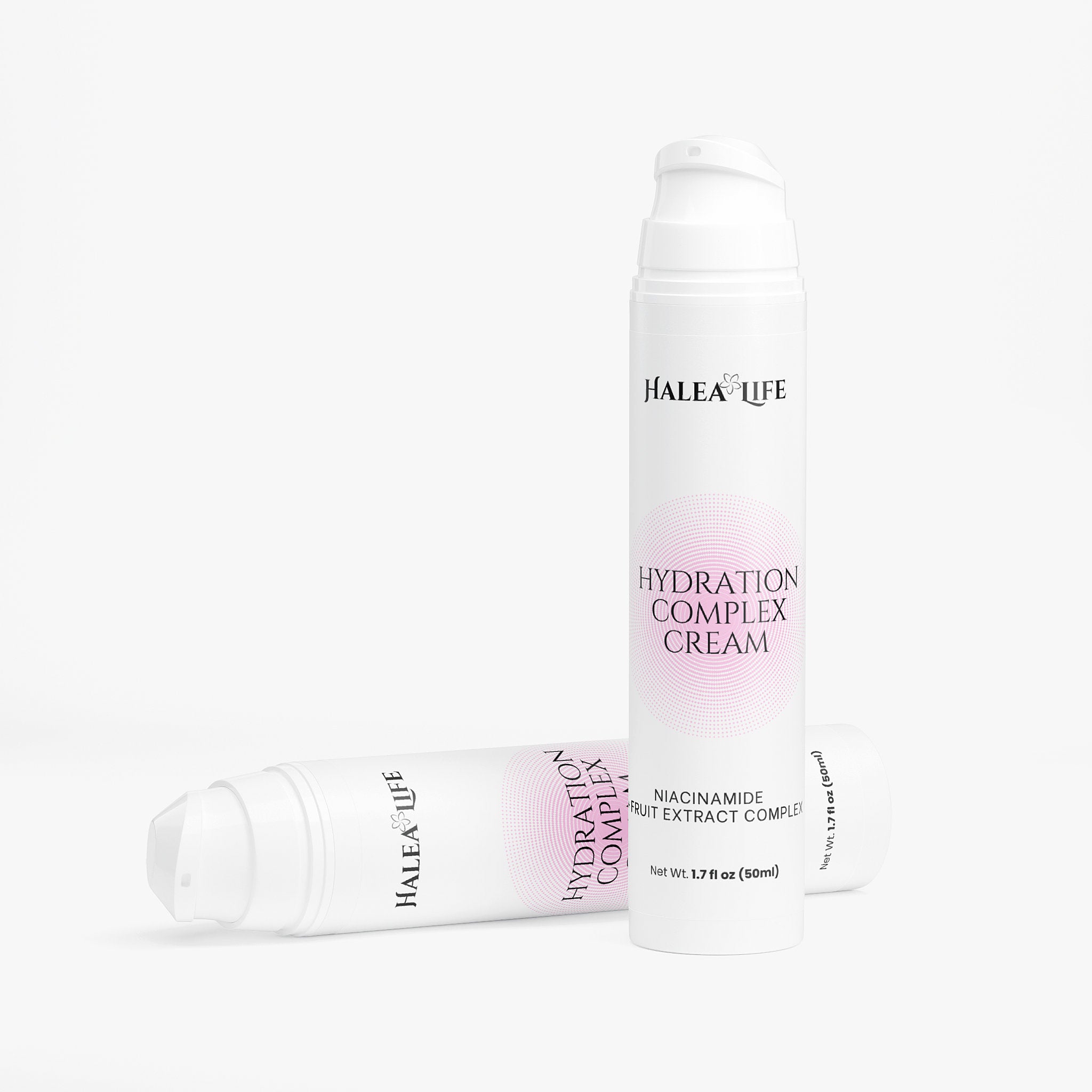
  • Hydration Complex Cream

    Hydration Complex Cream

    Hydration Complex Cream

    $24.96
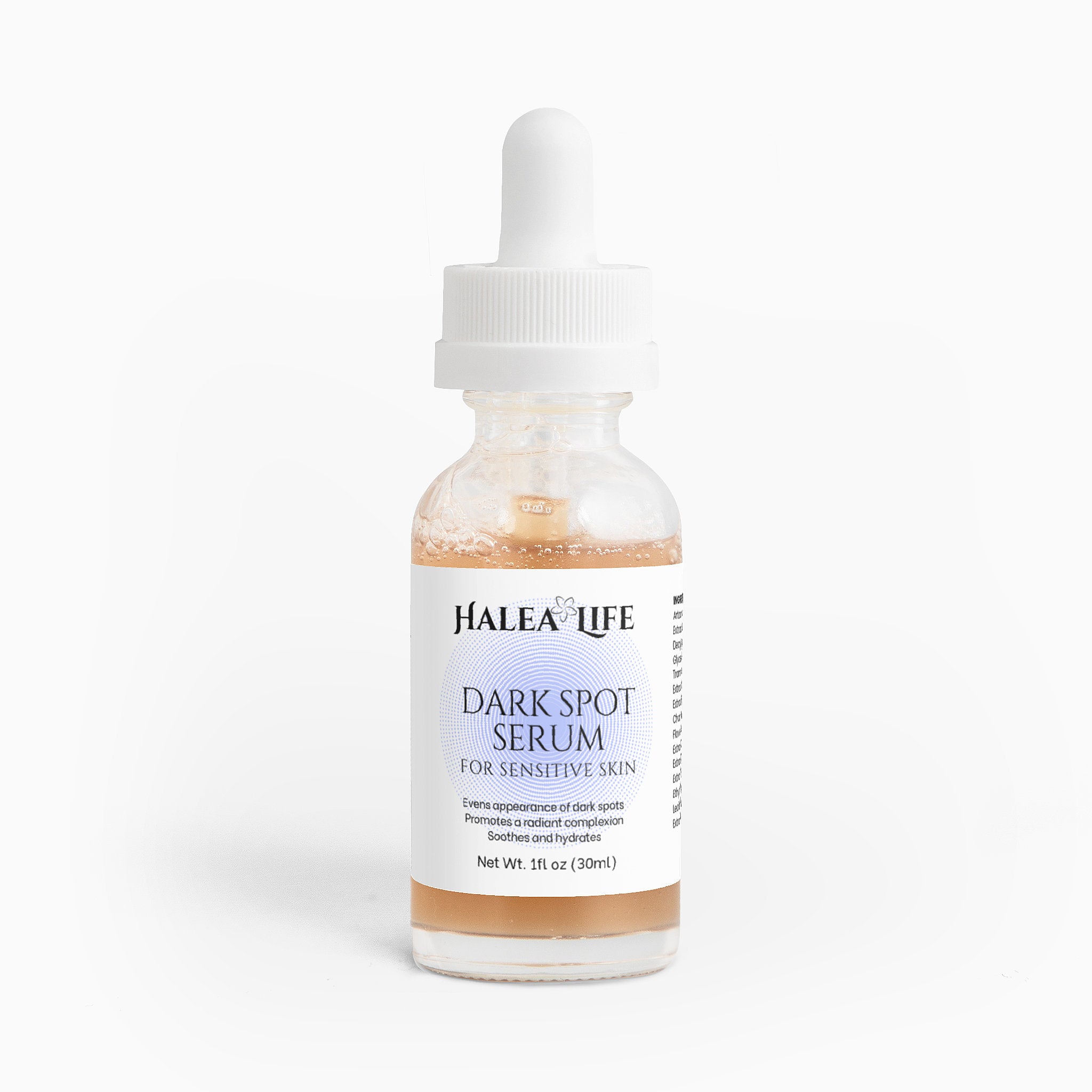
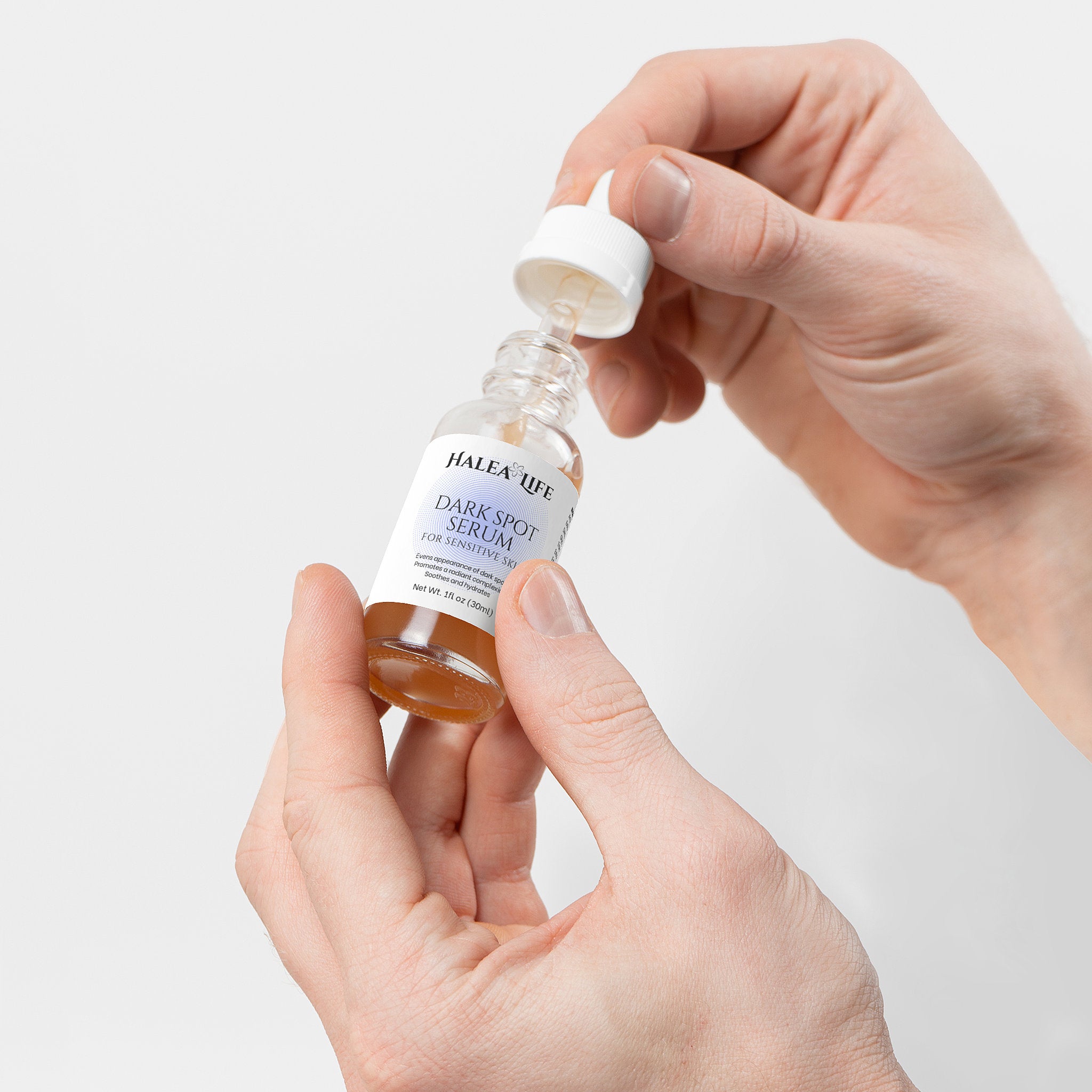
  • Dark Spot Serum for Sensitive Skin

    Dark Spot Serum for Sensitive Skin

    Dark Spot Serum for Sensitive Skin

    $15.96
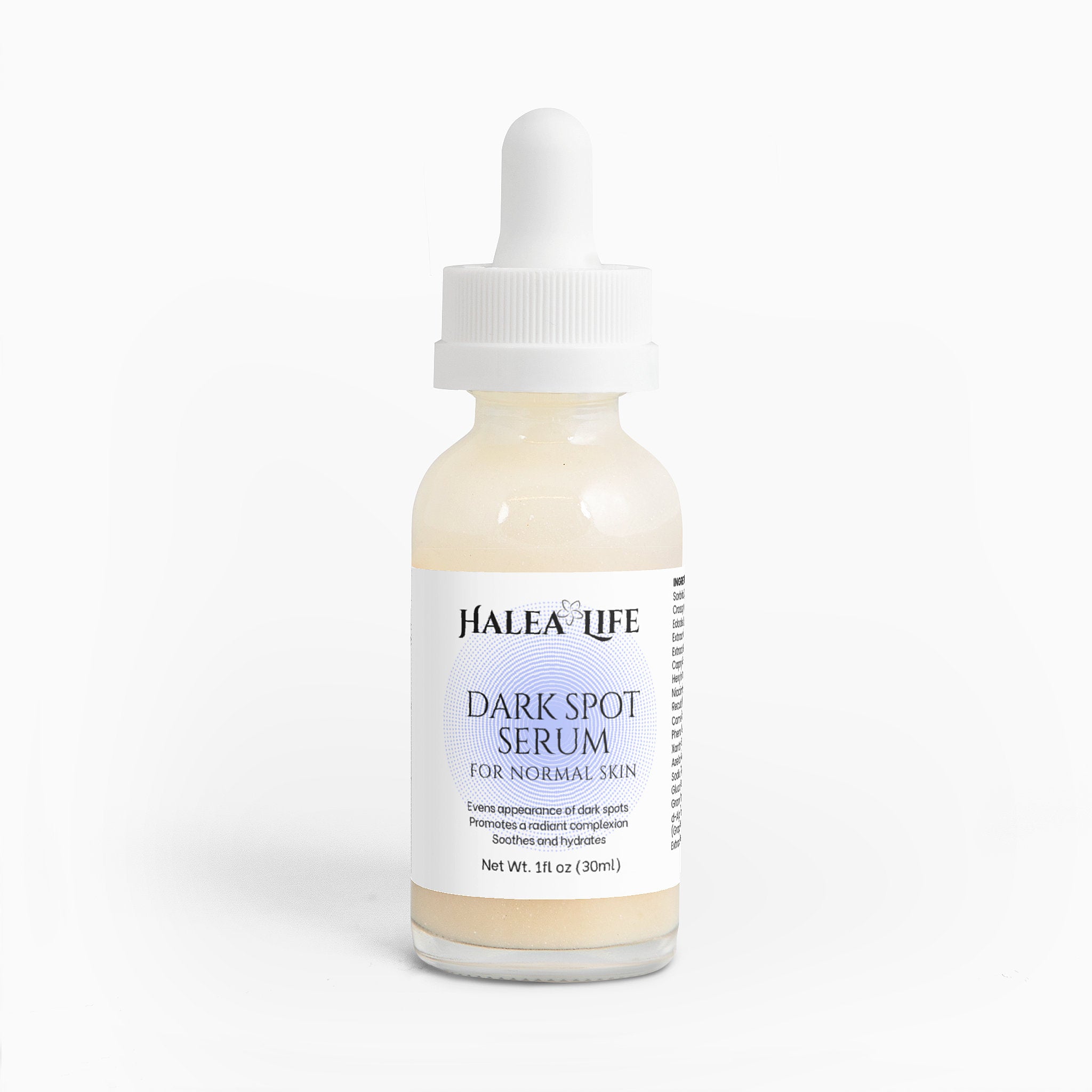
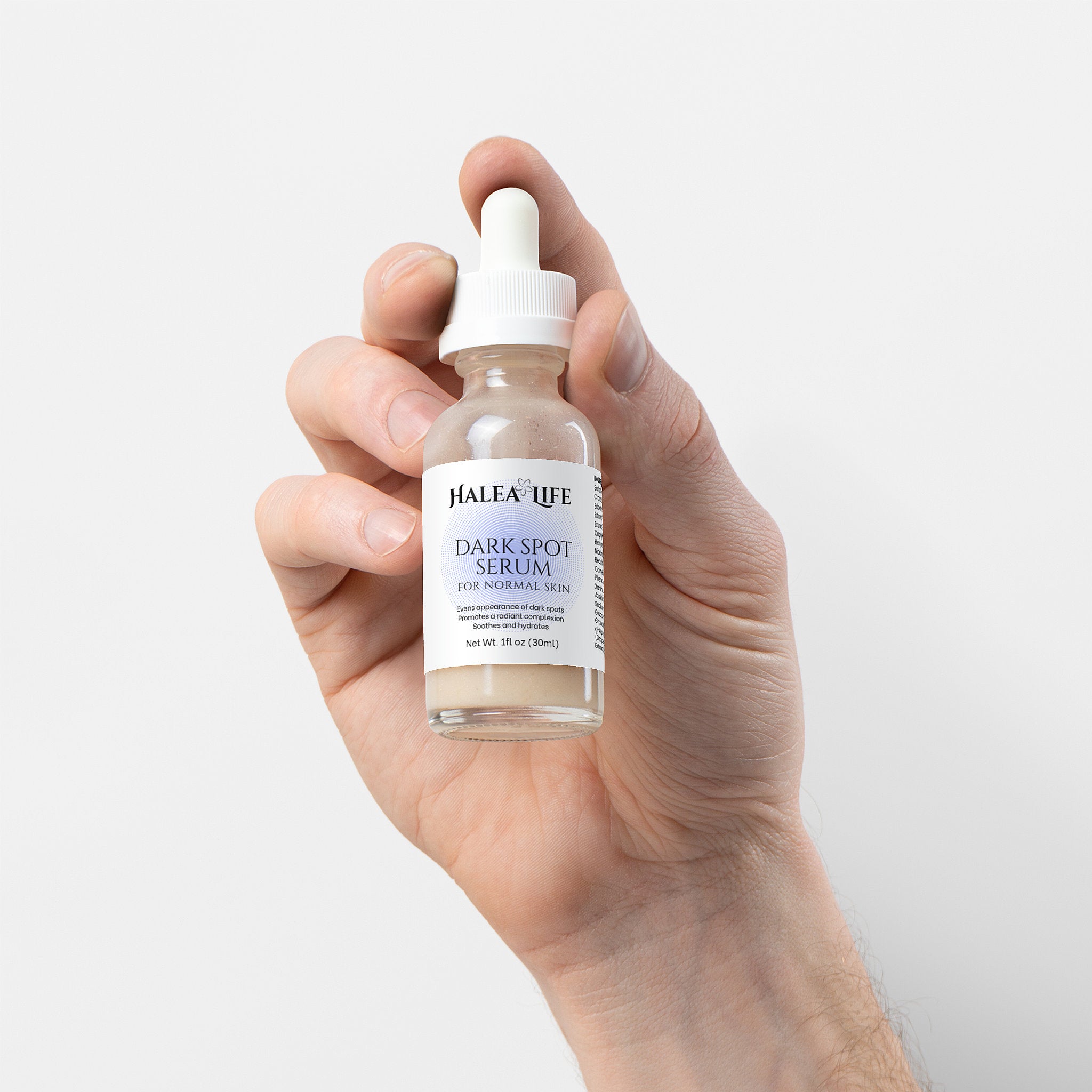
  • Dark Spot Serum for Normal Skin

    Dark Spot Serum for Normal Skin

    Dark Spot Serum for Normal Skin

    $16.96
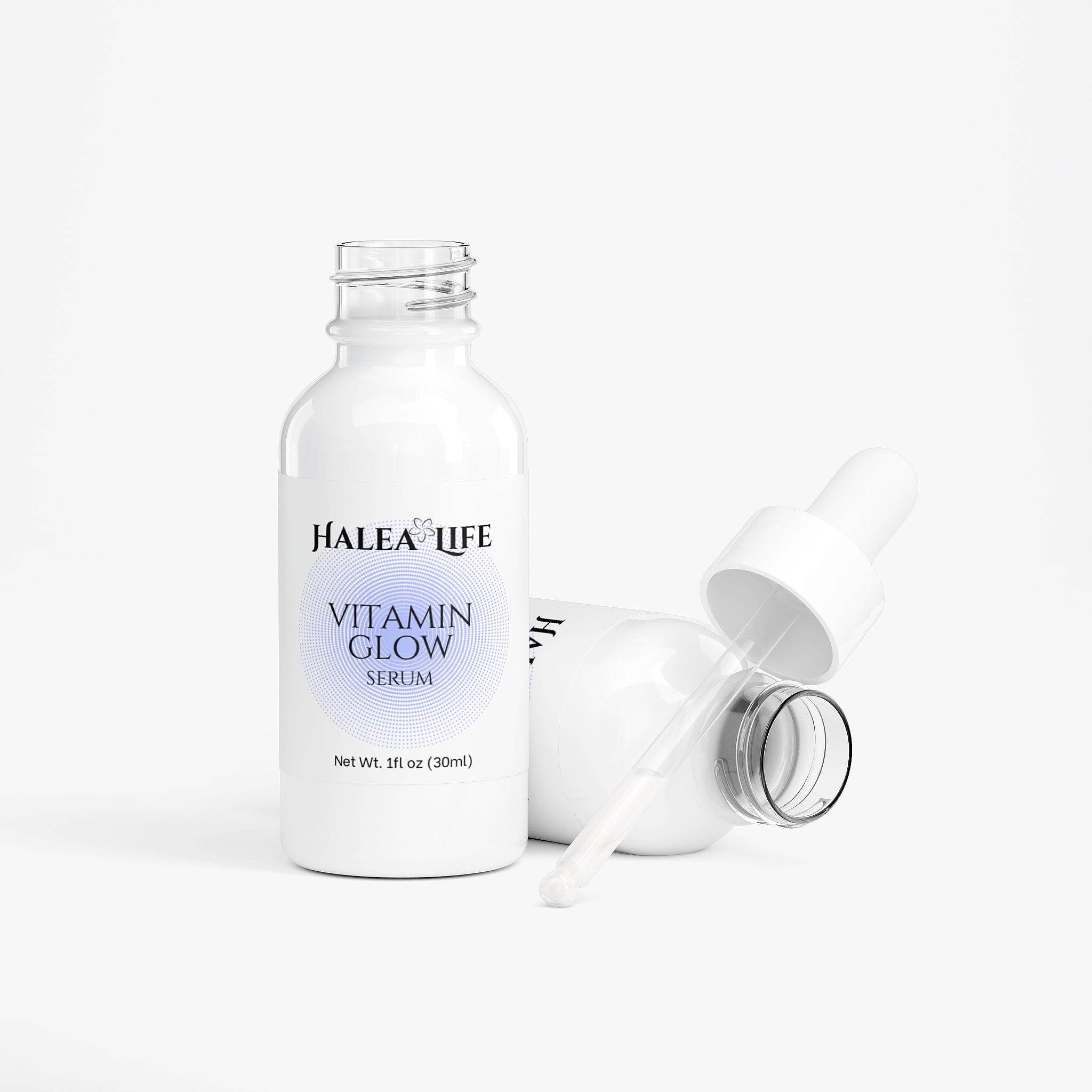
  • Vitamin Glow Serum - Niacinamide, Vitamin C & E
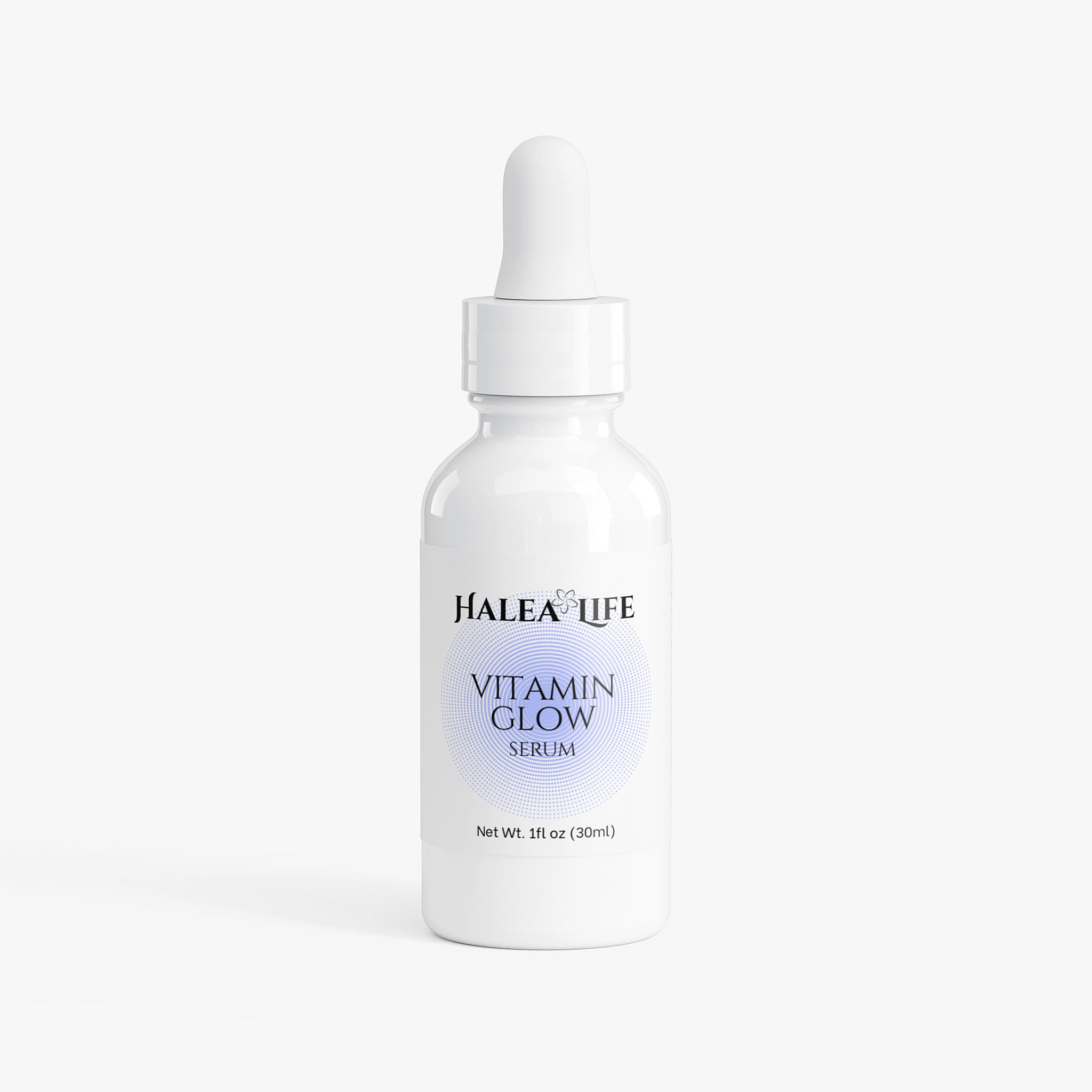
    Vitamin Glow Serum - Niacinamide, Vitamin C & E

    Vitamin Glow Serum - Niacinamide, Vitamin C & E

    $24.96
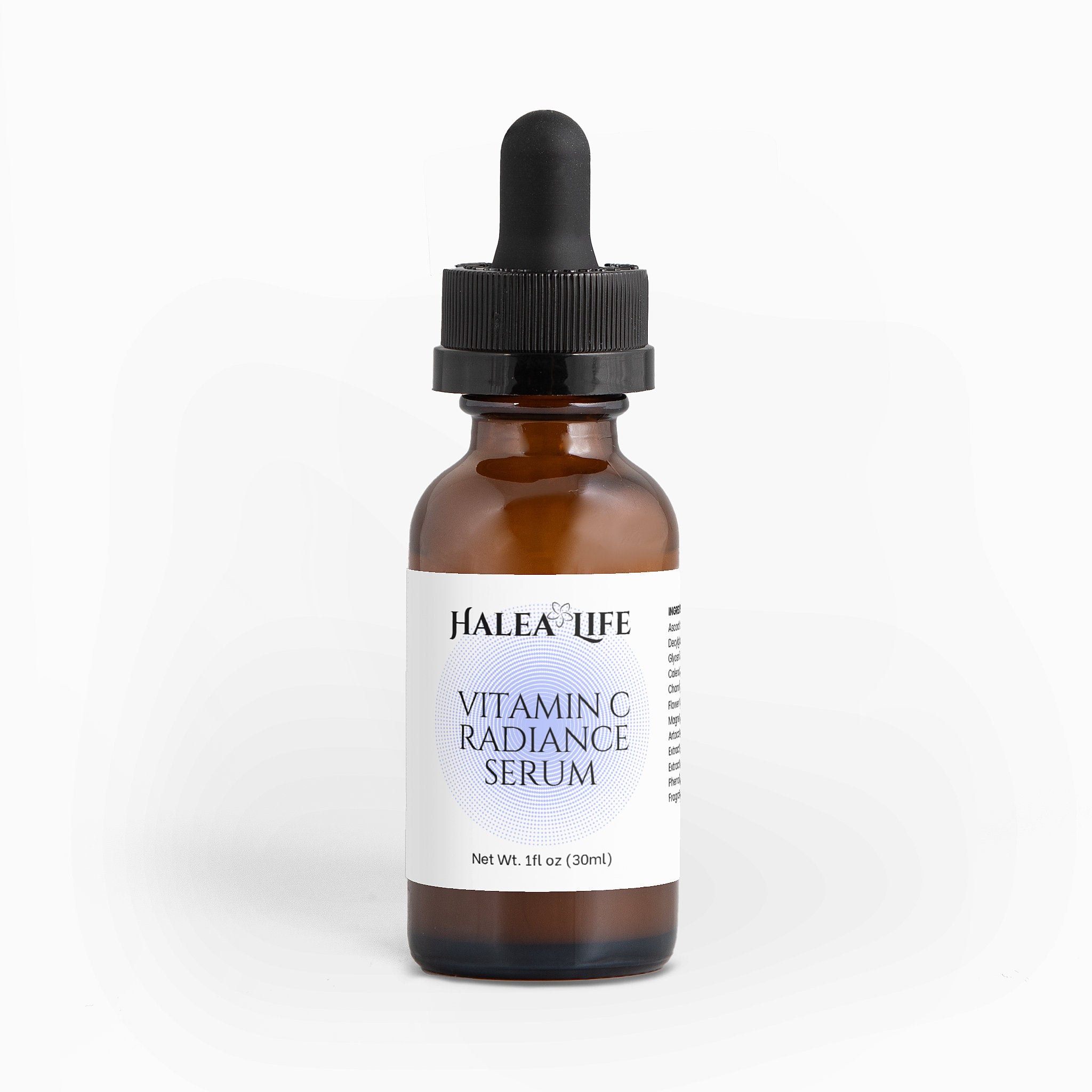
  • Vitamin C Serum

    Vitamin C Serum

    Vitamin C Serum

    $15.96
  • Hyaluronic Acid Serum

    Hyaluronic Acid Serum

    Hyaluronic Acid Serum

    $10.96
  • Renewal Retinol and Peptide Face Serum

    Renewal Retinol and Peptide Face Serum

    Renewal Retinol and Peptide Face Serum

    $18.96
  • Nourishing Jojoba Face Oil Moisturizer

    Nourishing Jojoba Face Oil Moisturizer

    Nourishing Jojoba Face Oil Moisturizer

    $16.96
  • Collagen Renewal Peptide Cream

    Collagen Renewal Peptide Cream

    Collagen Renewal Peptide Cream

    $17.96
  • Tallow Repair Balm Nighttime Formula

    Tallow Repair Balm Nighttime Formula

    Tallow Repair Balm Nighttime Formula

    $18.96
  • Grass-Fed Tallow Cream - Lemongrass & Lavender

    Grass-Fed Tallow Cream - Lemongrass & Lavender

    Grass-Fed Tallow Cream - Lemongrass & Lavender

    $18.96
  • Pure Raw Shea Butter

    Pure Raw Shea Butter

    Pure Raw Shea Butter

    $19.96
  • Dead Sea Mineral Mud Mask - Face, Body & Scalp
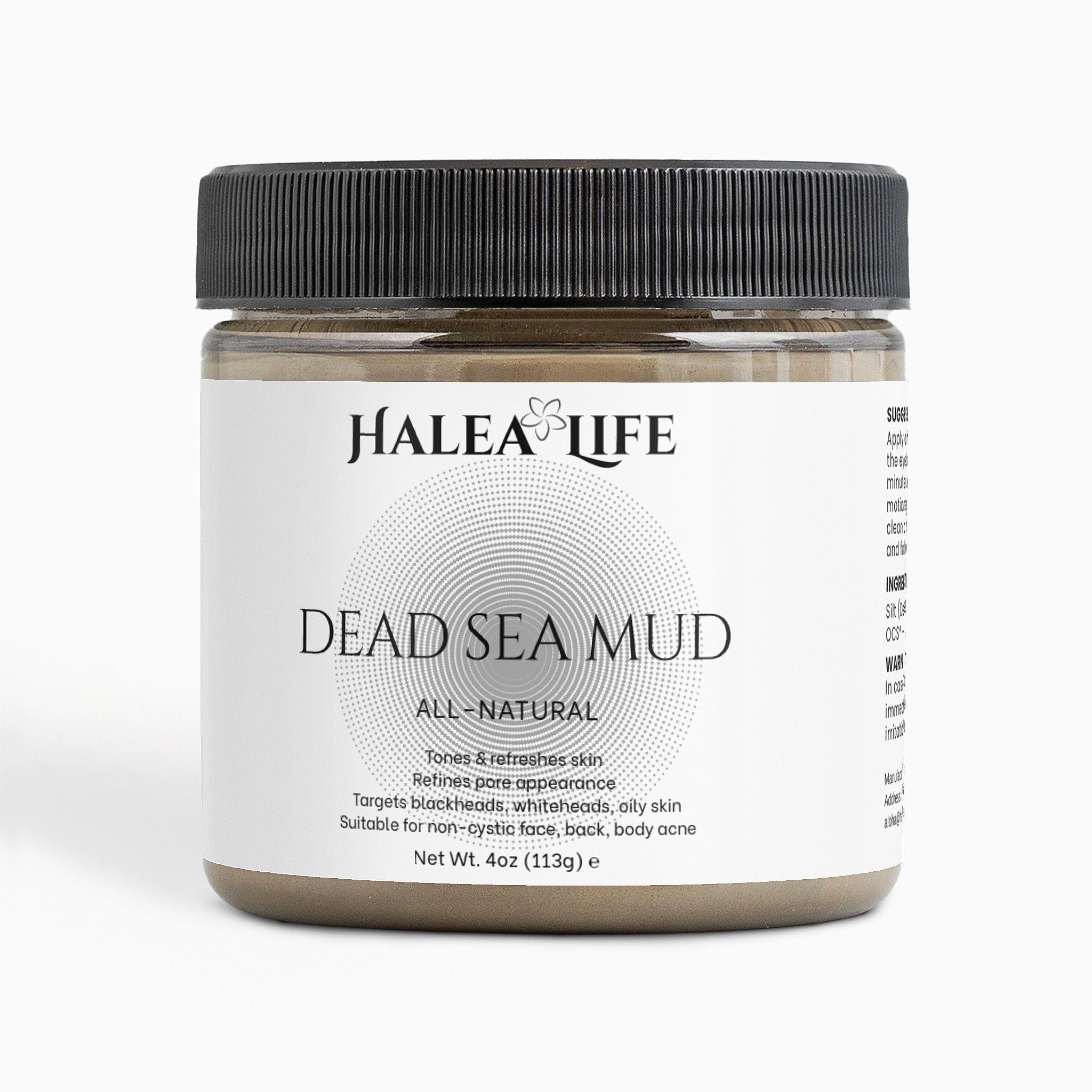
    Dead Sea Mineral Mud Mask - Face, Body & Scalp

    Dead Sea Mineral Mud Mask - Face, Body & Scalp

    $24.96
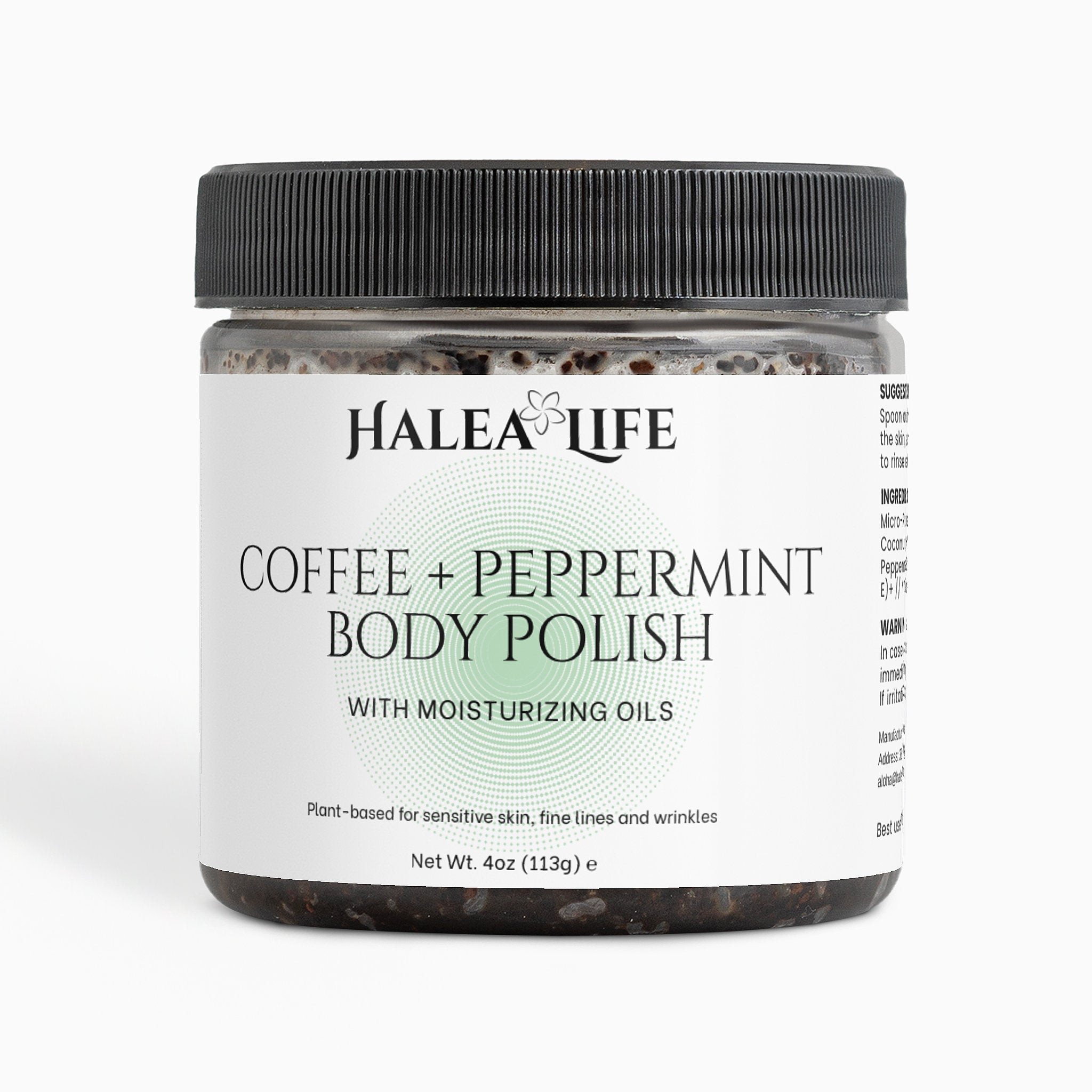
  • Coffee + Peppermint Body Polish

    Coffee + Peppermint Body Polish

    Coffee + Peppermint Body Polish

    $15.96
  • PDRN Peptide Renewal Serum

    PDRN Peptide Renewal Serum

    PDRN Peptide Renewal Serum

    0 reviews

    $22.96
Why Halea Life Skincare Supplements
  • Hydrolyzed collagen peptides at 2.5--10 g/day -- the dose range used in RCTs showing dermal collagen synthesis stimulation
  • Marine and bovine collagen Type I and III -- the forms with the strongest skin elasticity and wrinkle-reduction evidence
  • Vitamin C as required collagen synthesis cofactor -- not just an antioxidant but biochemically essential for triple-helix formation
  • Oral Hyaluronic Acid at 120--240 mg -- the dose with RCT evidence for skin moisture improvement
  • Ceramides from wheat or rice extract -- clinical trial evidence for transepidermal water loss reduction
  • Biotin at 5,000--10,000 mcg -- the therapeutic dose for keratinocyte-related hair, nail, and skin concerns
  • No artificial colors or dyes -- particularly relevant for skin health supplements
  • FDA-registered, GMP-certified manufacturing with third-party potency verification
No subscriptions. No promo codes. The price you see is the price, year-round.
Common Questions Frequently Asked Questions

Yes -- with meaningful clinical evidence. The concern that oral collagen is 'just digested into amino acids' understates the research. Hydrolyzed collagen peptides (low-molecular-weight, specifically processed) survive gastric digestion as di- and tripeptides, are absorbed intact, and accumulate in skin tissue. The Proksch et al. series (2.5 g/day, 8 weeks): 20% improvement in skin elasticity. Borumand et al. (2015): 65% increase in pro-collagen type I at 12 weeks. The mechanism is now well-characterized: collagen peptide receptor signaling on fibroblasts stimulates endogenous collagen synthesis.*

The forms with the strongest evidence for skin: hydrolyzed marine collagen (Type I, highest glycine/proline content) and hydrolyzed bovine collagen (Types I and III). 'Hydrolyzed' is essential -- it means the collagen has been processed into low-molecular-weight peptides (under 5,000 Da) that absorb intact. Non-hydrolyzed collagen protein or gelatin does not have the same clinical evidence for fibroblast stimulation. Dose: the clinical research has been done at 2.5--10 g/day -- most collagen supplements providing under 2 g/serving are below the studied range.*

Vitamin C is not optional for collagen synthesis -- it is biochemically required. The enzymes that create collagen's triple-helix structure (prolyl-4-hydroxylase and lysyl hydroxylase) require Vitamin C as a cofactor electron donor. Without it, procollagen cannot be properly hydroxylated, and the resulting collagen is structurally unstable. This is why scurvy (Vitamin C deficiency) produces tissue breakdown -- the collagen maintenance system fails. Taking collagen peptides without adequate Vitamin C is like adding building materials without the construction tools to assemble them.*

The clinical trial timelines: elasticity improvements are detectable at 8 weeks; wrinkle depth reductions require 12 weeks; skin moisture improvements from hyaluronic acid start around 6--8 weeks. Collagen remodeling is slow biology -- the dermis is not a rapidly turning over tissue. Most people notice skin hydration improvements before structural changes (firmness, wrinkle depth). A minimum 12-week commitment is necessary to evaluate the skin benefits of a collagen protocol.*

There is no vegan collagen -- collagen is an animal-derived protein. 'Vegan collagen boosters' are products containing the amino acid precursors (glycine, proline, Vitamin C) and cofactors (zinc, silica) that the body uses to synthesize its own collagen. They support endogenous collagen production rather than directly stimulating fibroblast synthesis the way collagen peptide receptor signaling does. For vegans, the collagen support stack (high-dose Vitamin C, L-Lysine, L-Proline, Zinc, Silica) is the evidence-informed approach to skin aging support.*

Biotin has strong evidence for hair and nail conditions caused by biotin deficiency -- and some clinical support for non-deficient adults with brittle nails specifically. The 2015 Scheinfeld et al. review found biotin at 2.5--5 mg/day produced improved nail thickness in brittle nail syndrome. For hair, the research is less definitive: documented biotin deficiency produces hair loss that responds to repletion; hair loss without biotin deficiency is multifactorial. Biotin is water-soluble and safe at high doses, making it low-risk to trial in cases of hair thinning.*